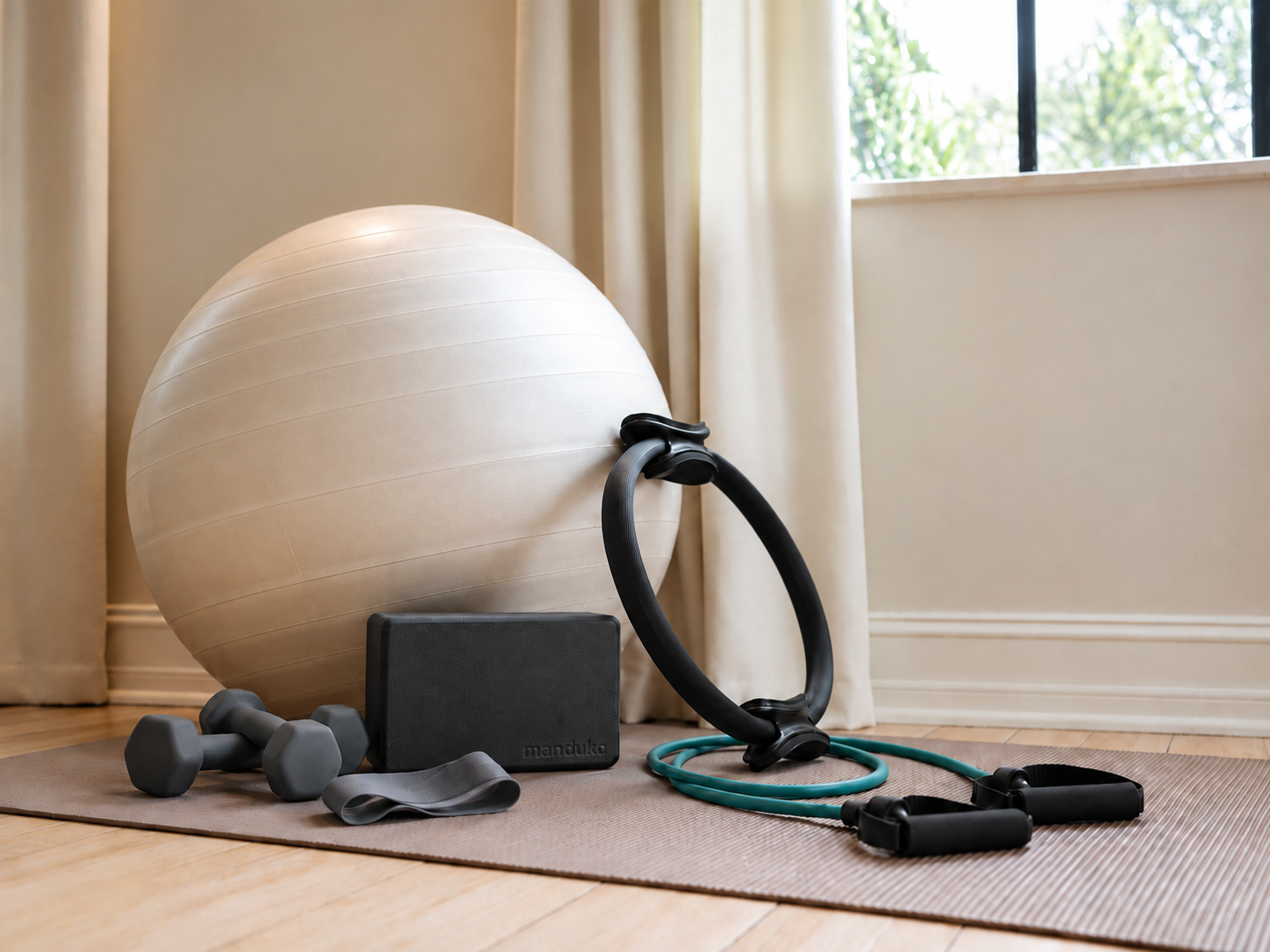
Recommended Pilates Props & Equipment
You don’t need a lot of equipment to get a great workout at home.
These are the products and tools I use in the studio, in my own practice and that I recommend to my clients — along with some guidance to help you choose what’s right for your body and your goals.
Disclosure: Some links on this page are affiliate links, which means I may earn a commission if you make a purchase through them, at no additional cost to you. I only recommend products I use myself or would recommend to a client. As an Amazon Associate I earn from qualifying purchases.
Browse by Category
You’ll notice that some items are included in more than one category. Those are some of my favorite tools because they’re so versatile and can be used in many different ways.
Pilates Props for Home Workouts
You can get a great Pilates workout at home with nothing but a mat. But . . . I love incorporating these props to add support, variety and challenge as well as to bring the feel of studio equipment home.
Mats
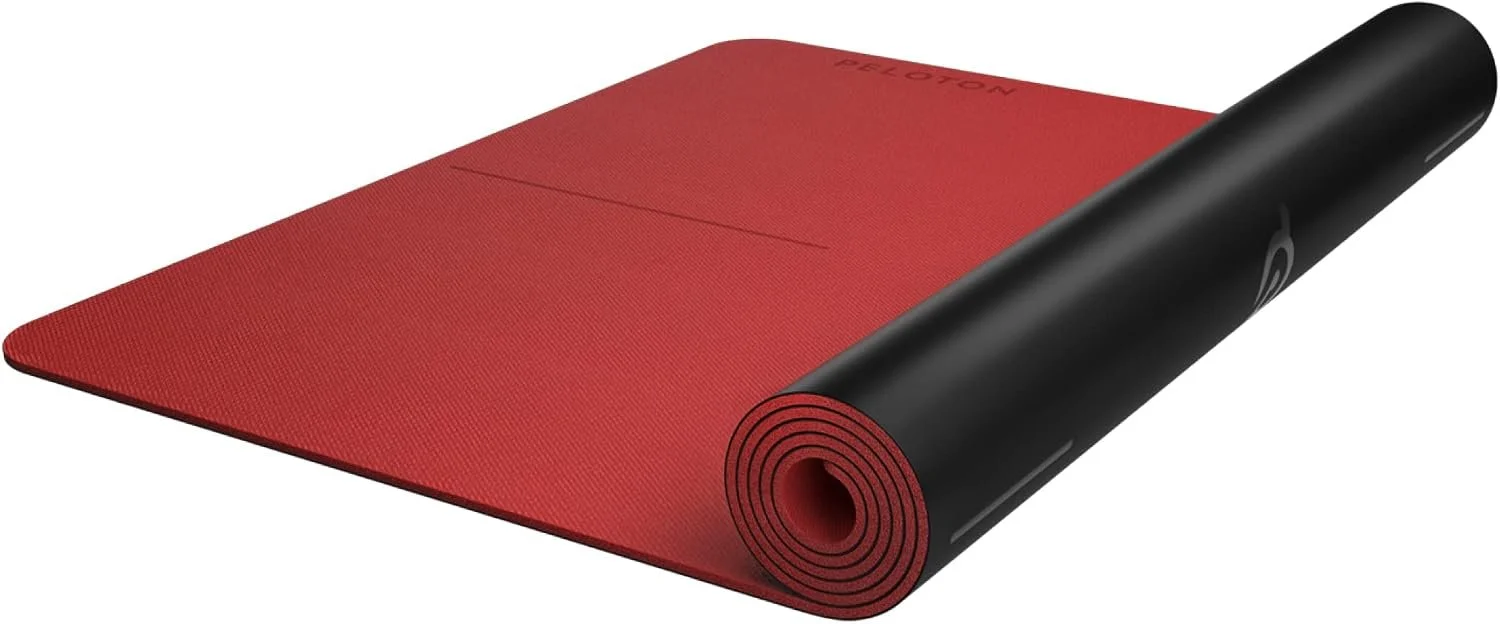
Peloton Reversible Workout Mat — 71'' × 26'' (5 mm)
There are a lot of mats (at lots of different price points) to choose from. What matters most to me is having enough grip that I don’t slide and enough cushion to keep my hands, knees and spine comfortable.
This is the mat I use most often. I feel secure on the non-slip surface and love the alignment marks that help me place my feet for things like squats and lunges. Because it’s a little thinner, I usually lay it over my living room rug for extra cushioning.
(paid link)
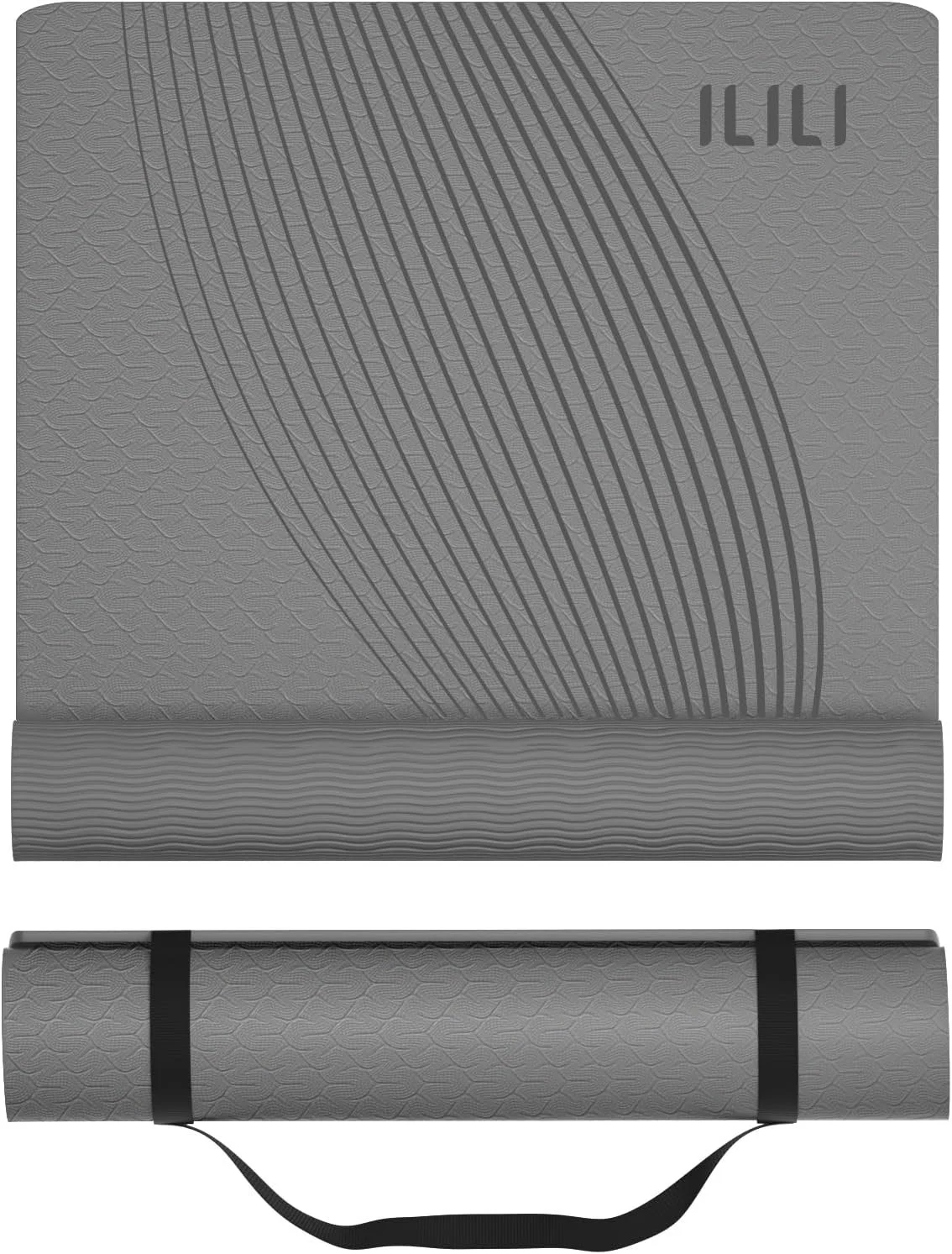
ILILI Exercise Mat — 72'' × 25'' (8 mm)
This mat has a little more cushion than the Peloton mat above (8 mm vs. 5 mm), which gives the spine more padding when lying down without feeling too soft for planks or standing work. It’s also about half the price.
(paid link)
Blanket (A.K.A. A Little Extra Cushioning)
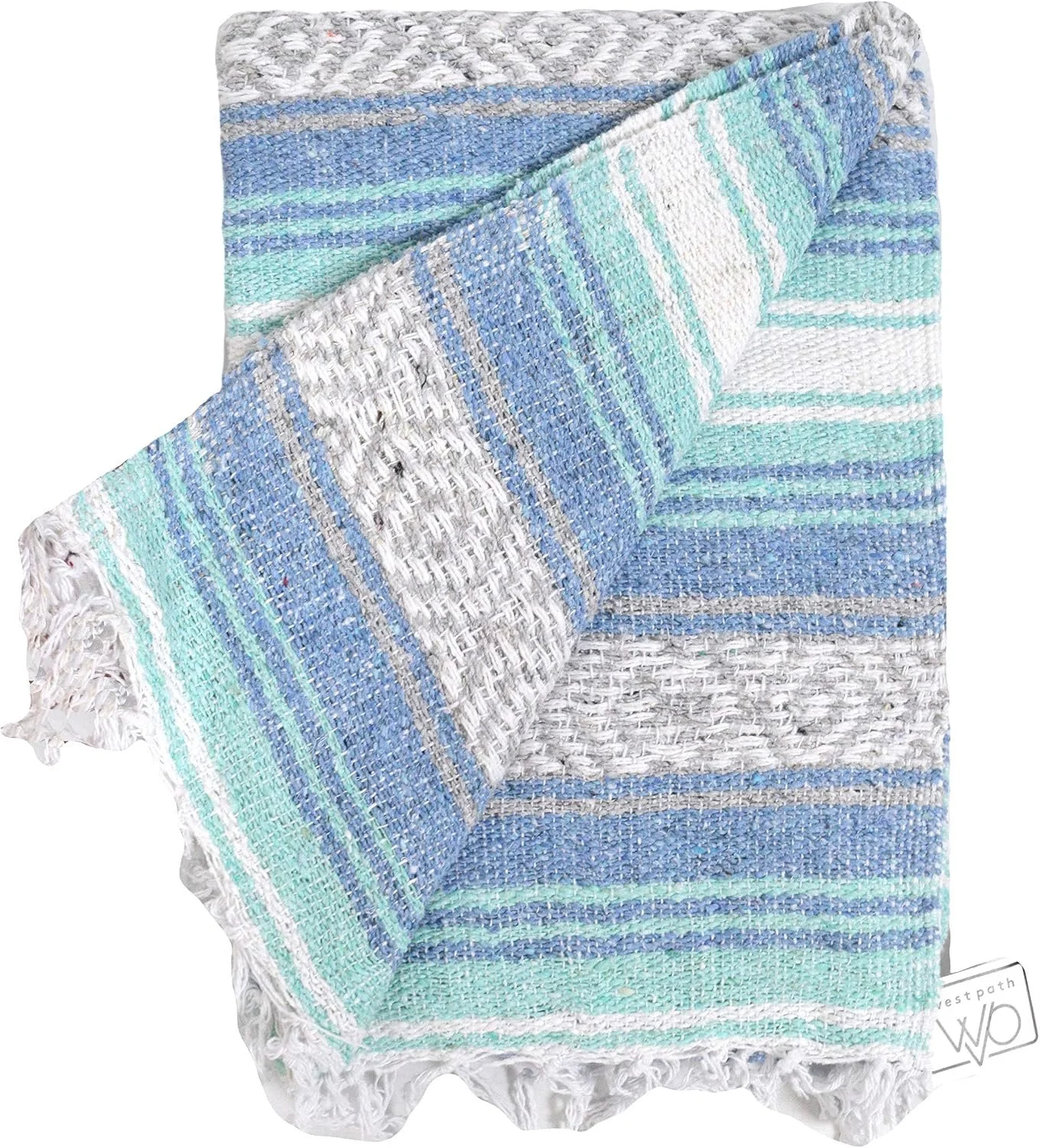
Open Road Goods Multi Color Blanket
Sometimes your knees or back need a little extra cushioning or your head feels better with some support. Other times, sitting on a folded blanket can make seated positions more comfortable.
I use pads on the reformer in the studio, but at home a simple blanket is my go-to for adding extra support wherever I need it. This one is inexpensive, easy to wash and comes in beautiful colors.
(paid link)
Foam Rollers
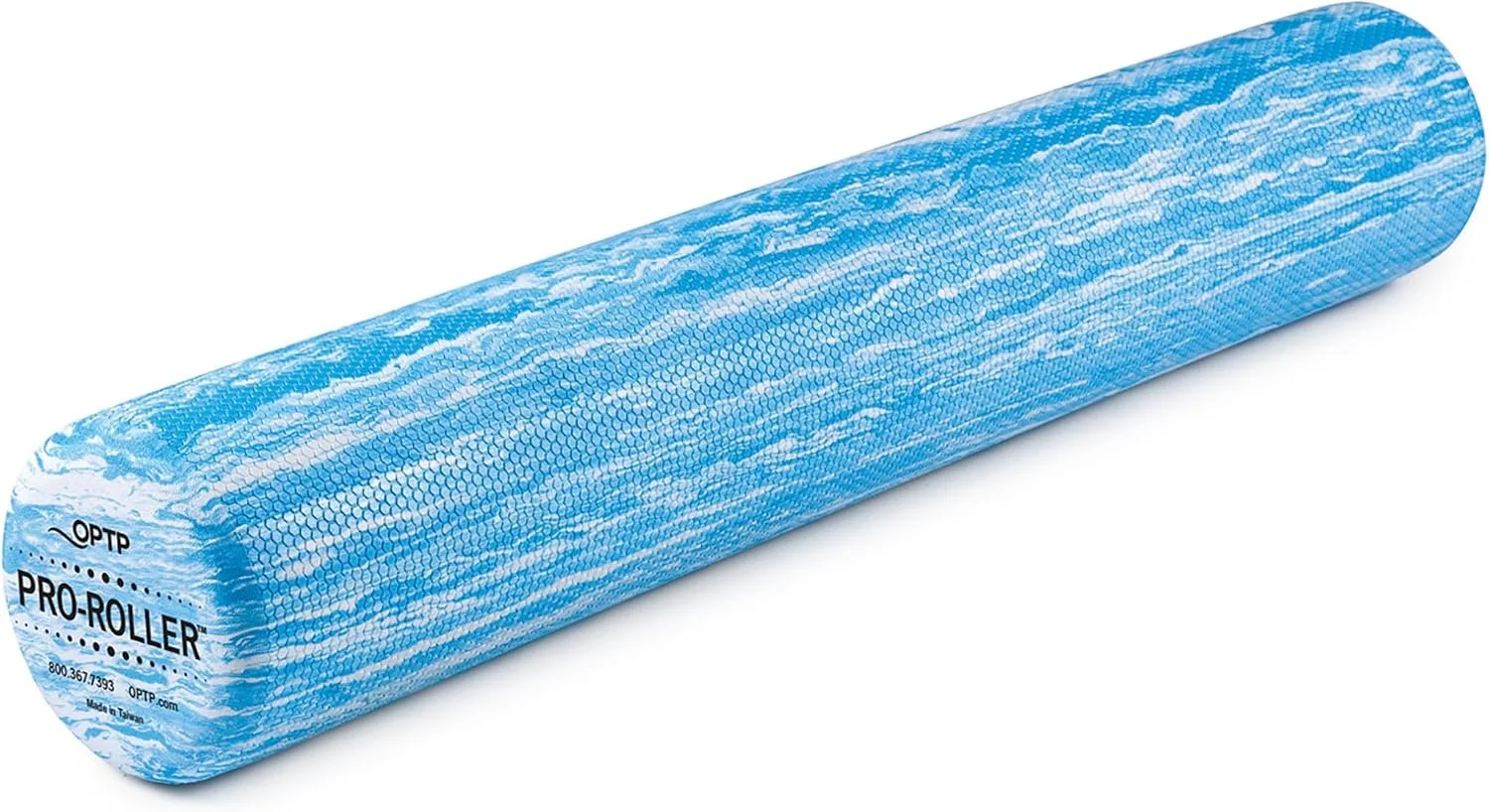
OPTP Standard Density Pro-Roller — 36" × 6"
If I could have only one prop for my home workouts, this would be it. It’s my go-to for a quick reset when my back feels stiff, and it’s also a great way to add challenge to a workout. Foam rollers come in different sizes and densities. This one is 36″ — long enough to lie on comfortably — with a medium density that works well for a variety of uses.
(paid link)
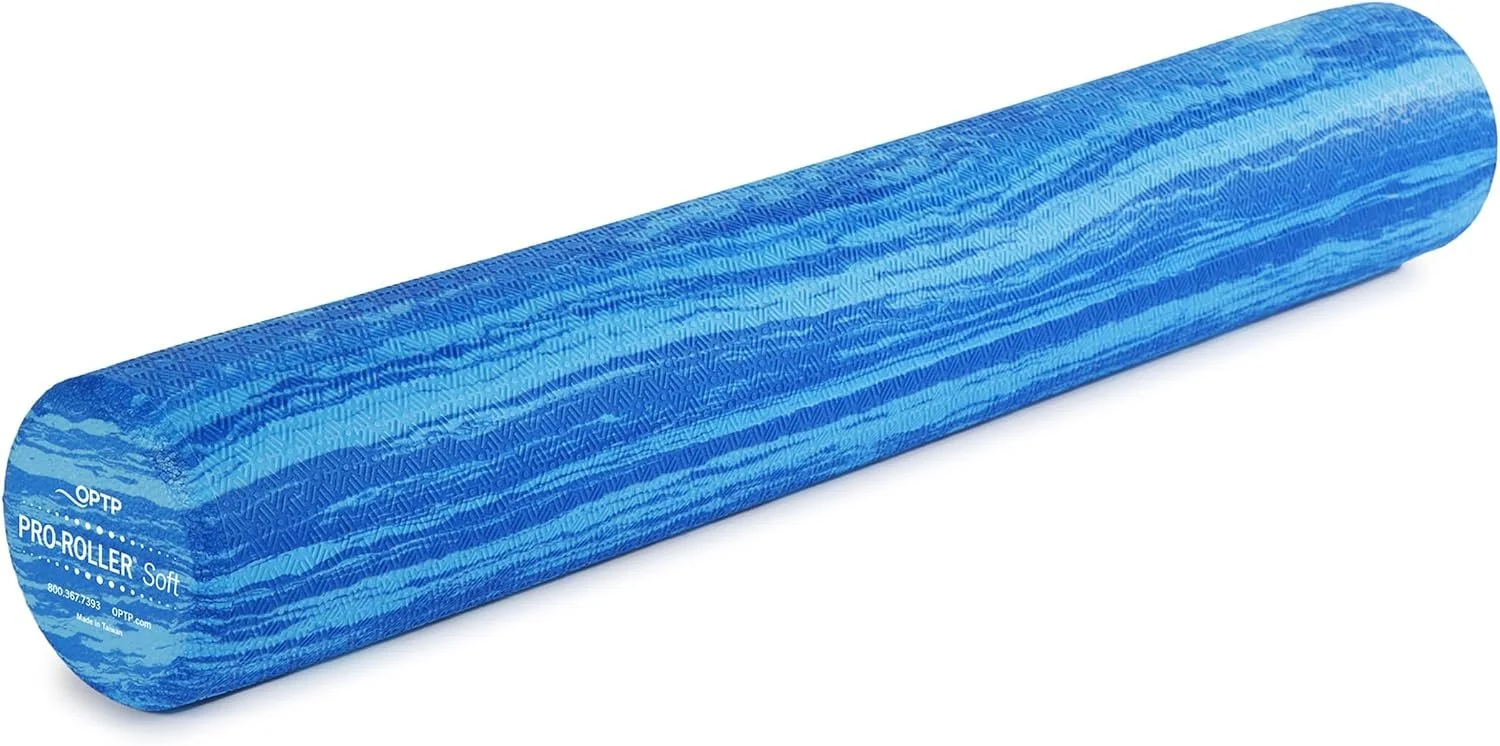
OPTP Soft Density Pro-Roller — 36" × 6"
This roller is made of a softer foam, which can feel more comfortable for lying on and is preferred by some of my clients who like less pressure. If you like a softer mattress, this may be the roller for you.
(paid link)
Magic Circles
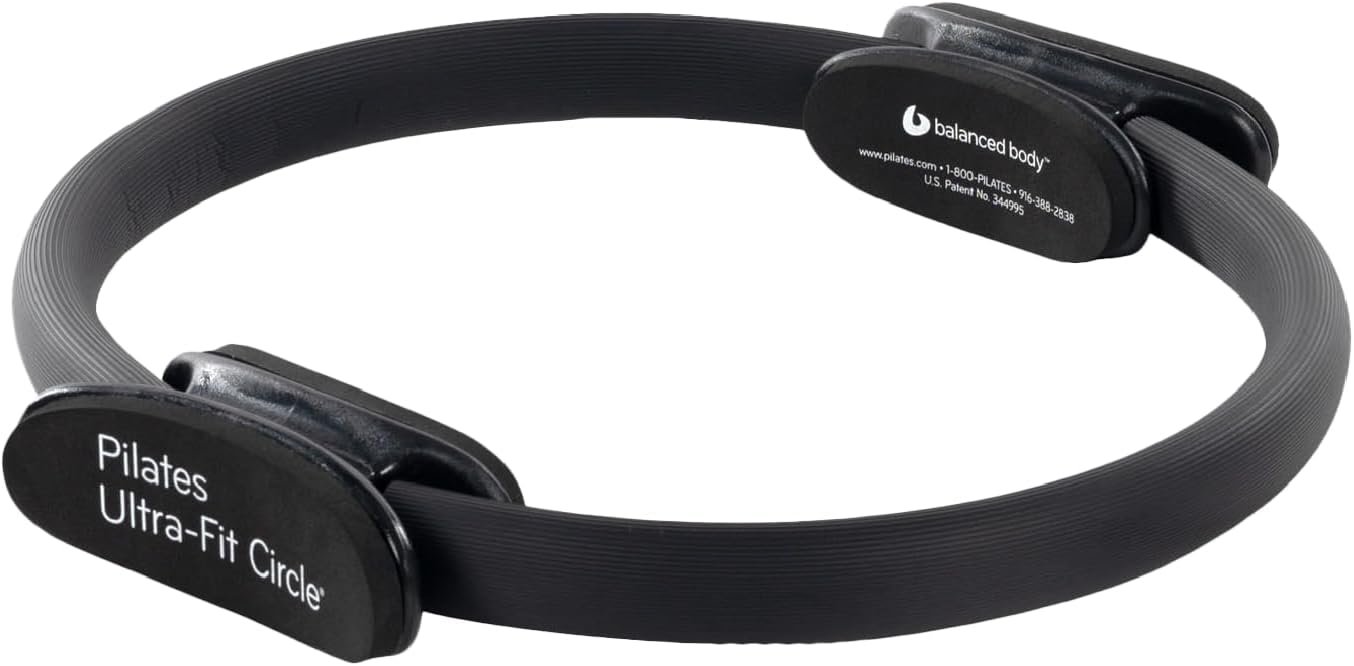
Balanced Body Pilates Ultra-Fit Magic Circle — 15"
They don’t call this circle magic for nothing. It’s a great tool for building body awareness and improving alignment while also adding challenge and variety to a mat or Pilates equipment workout. Less expensive options are available, but I prefer Balanced Body props for their craftsmanship, comfort and durability.
(paid link)
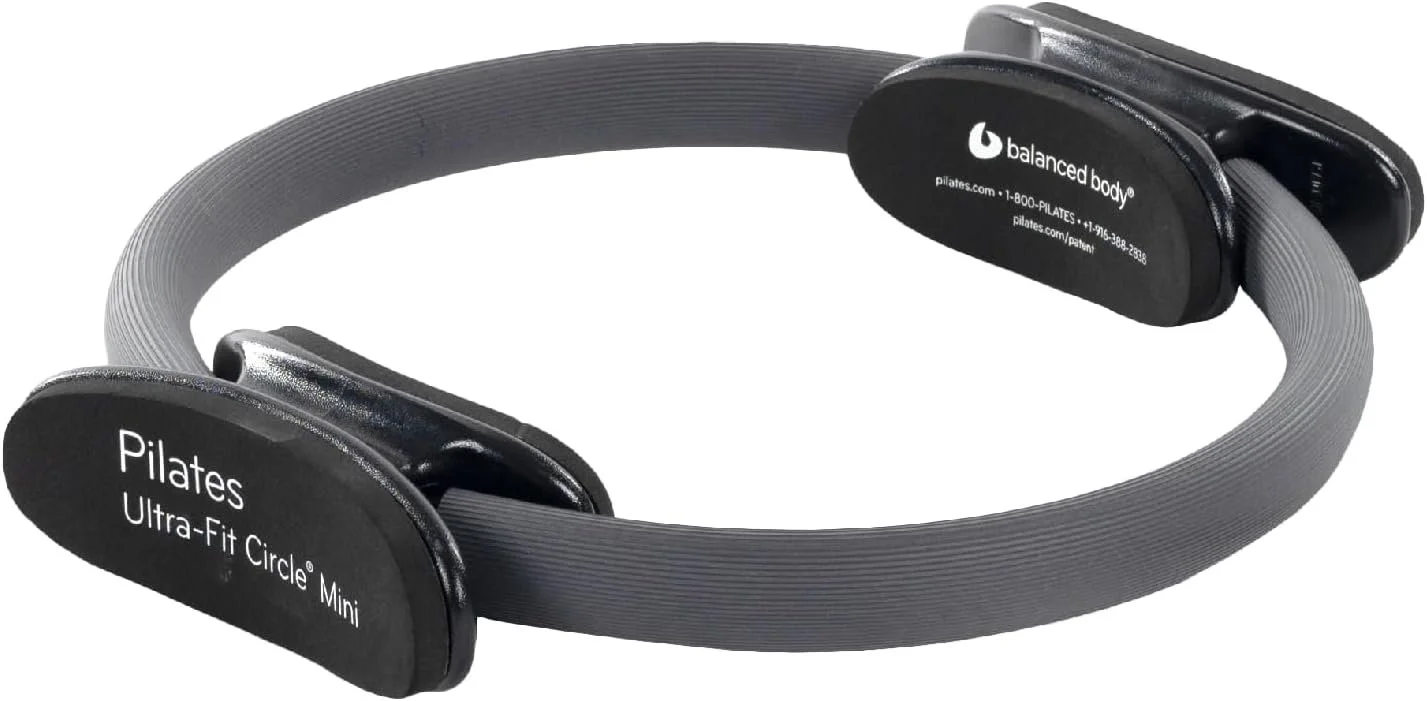
Balanced Body Pilates Ultra-Fit Circle Mini — 12"
It has the same durable construction as the larger, traditionally sized 15″ version, but the smaller 12″ diameter can be more comfortable between the legs or for people with smaller frames.
(paid link)
Small Ball
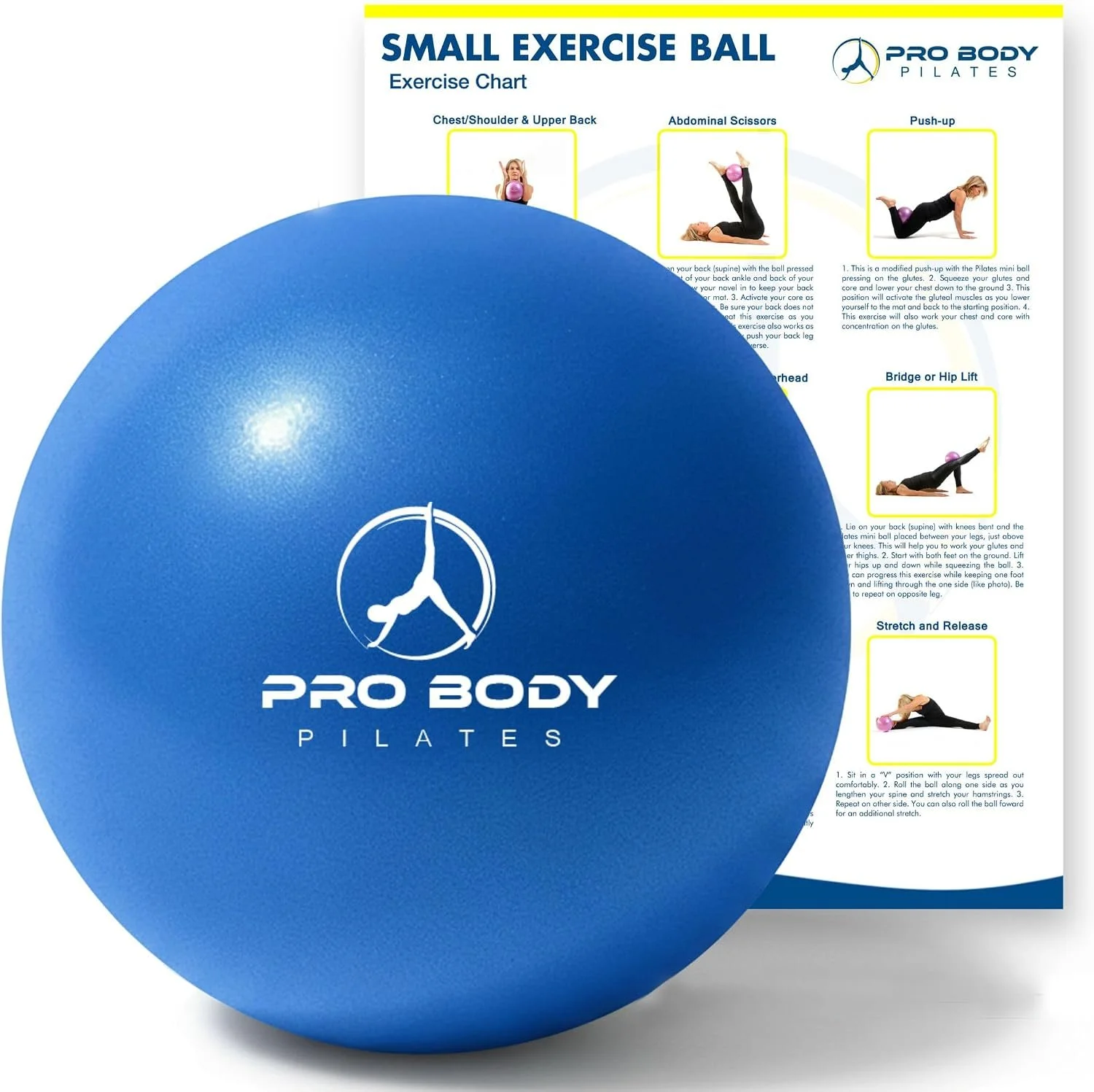
ProBody Small Ball — 9"
Great for building body awareness and adding support or challenge to Pilates mat and equipment workouts. It’s also easy to deflate and pack for workouts on the road.
(paid link)
Stability Ball
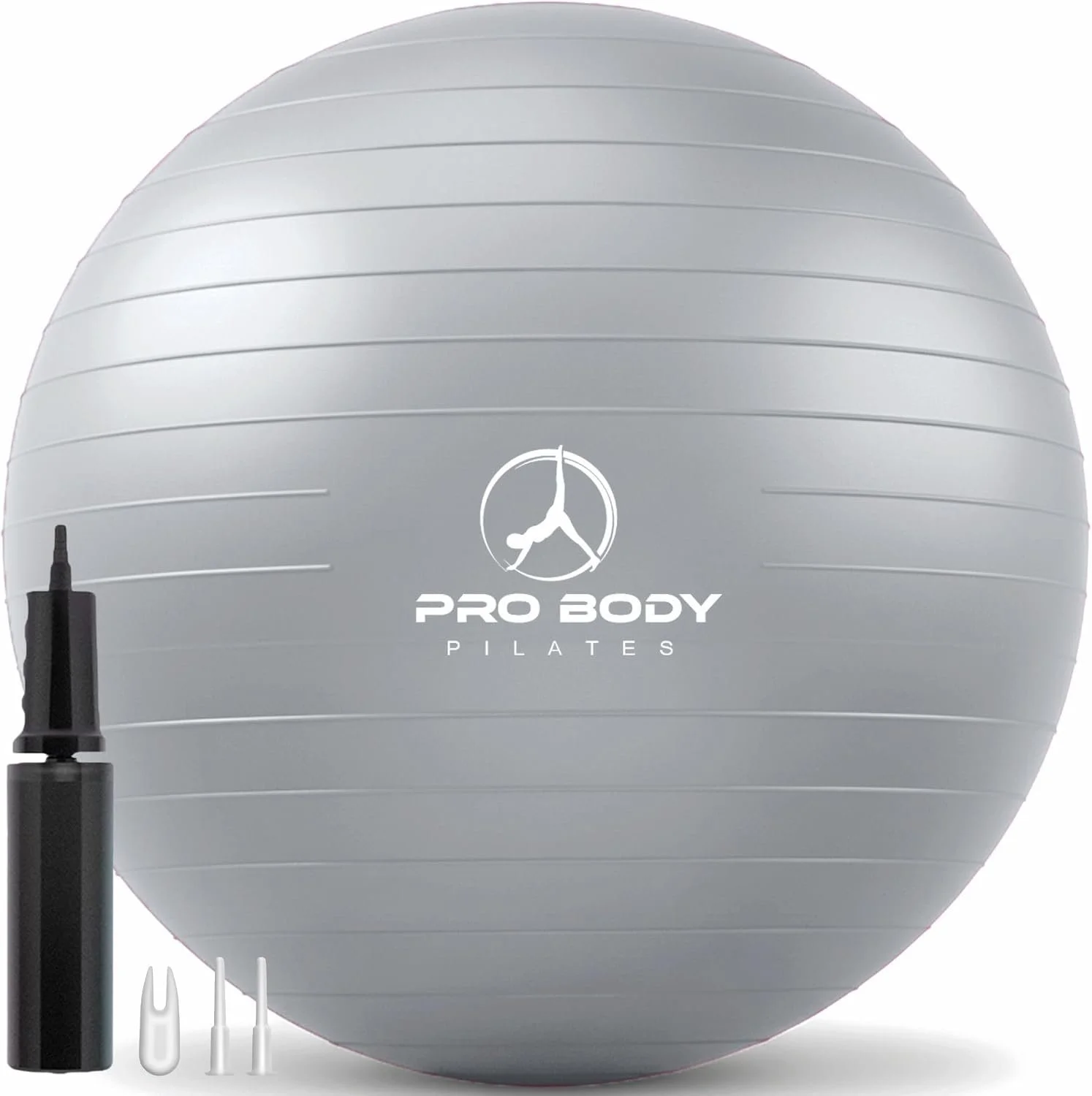
ProBody Stability Ball
Great for adding challenge to bridges, planks and seated work.
Two things matter most when choosing a stability ball: thick, anti-burst material, so it slowly deflates rather than bursting if punctured, and selecting the right size for your body. This one comes in five sizes and several colors and includes a pump for inflating.
(paid link)
Pilates Arc
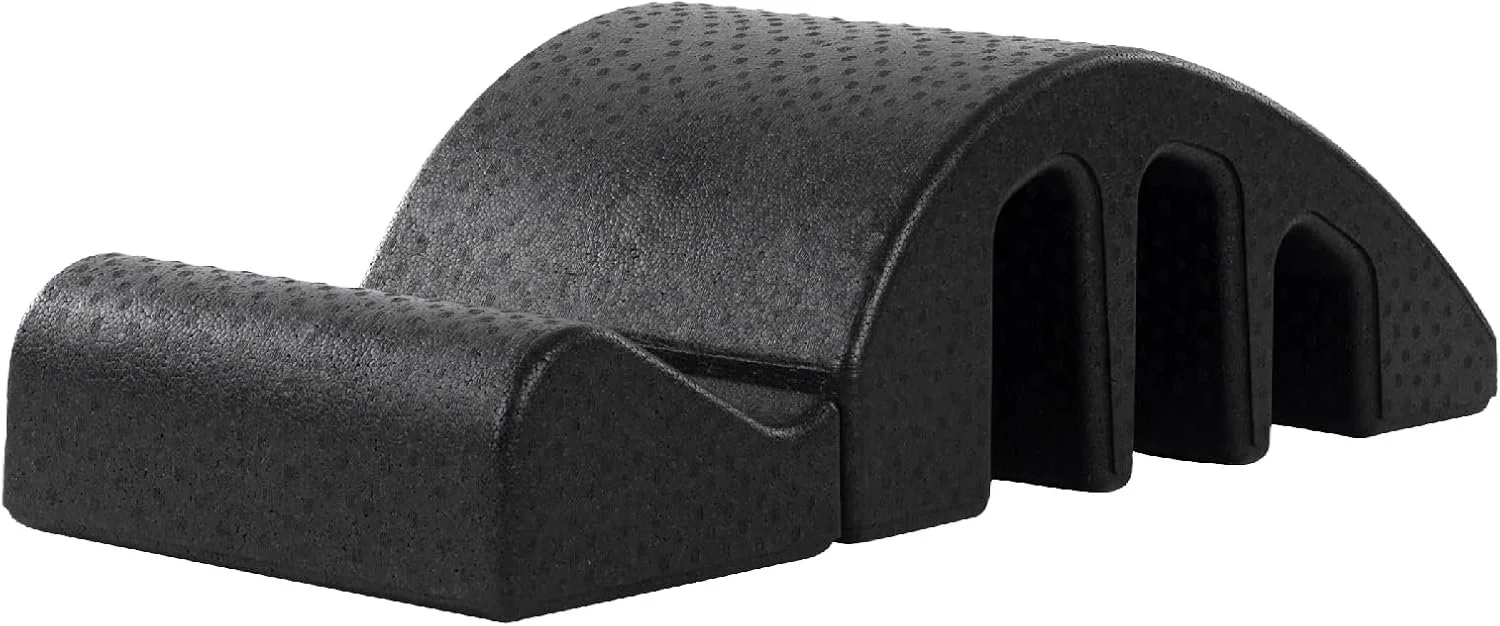
Balanced Body Pilates Arc
Balanced Body created this arc as a lightweight, lower-cost alternative to traditional Pilates step barrels and spine correctors. As the name implies, it’s a wonderful tool for working on spinal mobility. It’s useful for both beginners and advanced students and can be used on the mat or with Pilates equipment.
(paid link)
Recommended Reading
Interested in learning more about Pilates and how to do it? Here are a couple of great resources.
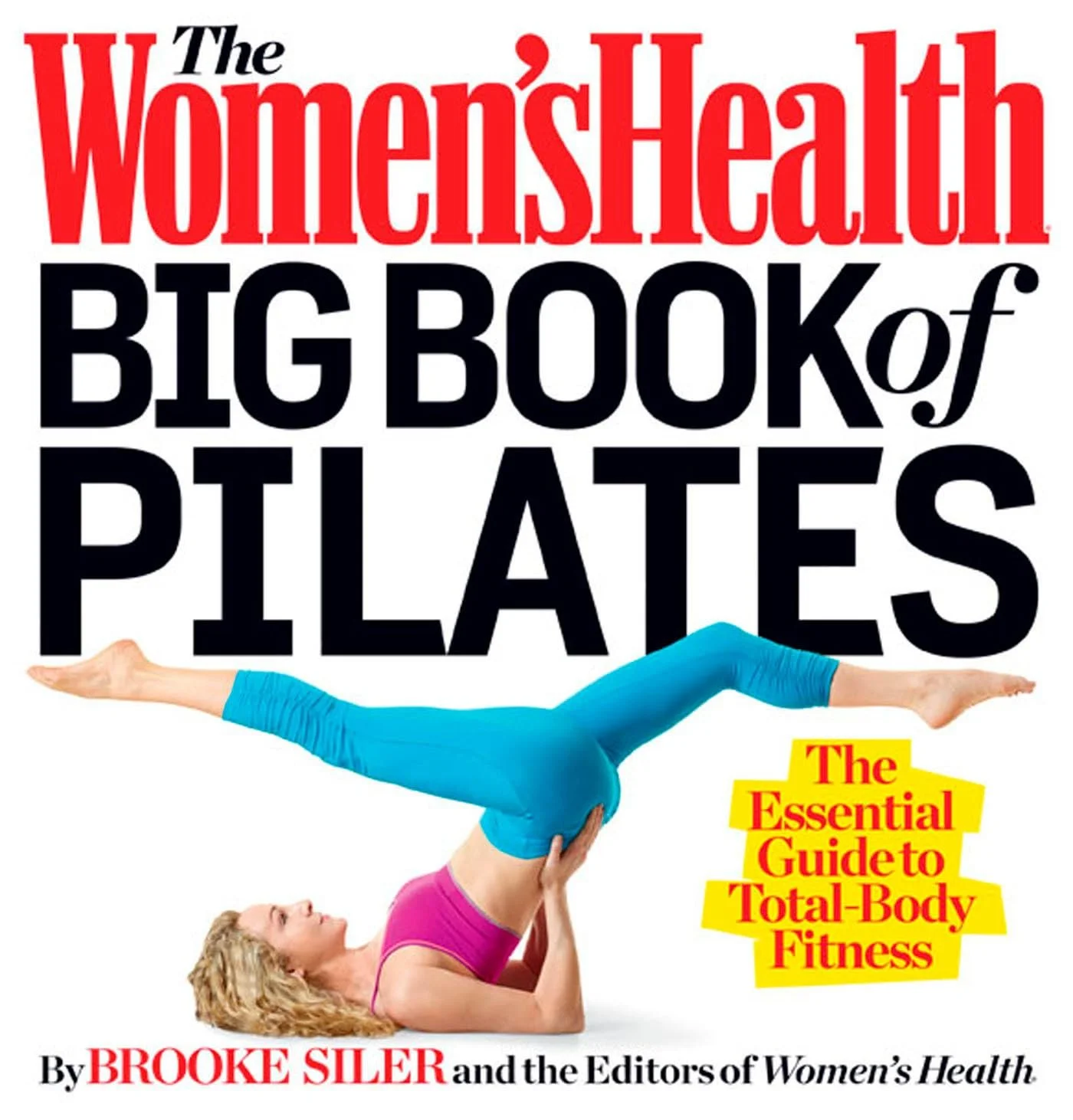
The Women’s Health Big Book of Pilates
Many Pilates books are aimed at teachers. This one is a helpful resource for students, with a brief history of Pilates, step-by-step breakdowns of mat exercises, modifications for beginners and advanced students and workout routines organized by goal — all with full-color images. It also shows you how to incorporate basic props into your home workouts, including the magic circle, small ball, stability ball, resistance bands and hand weights
(paid link)
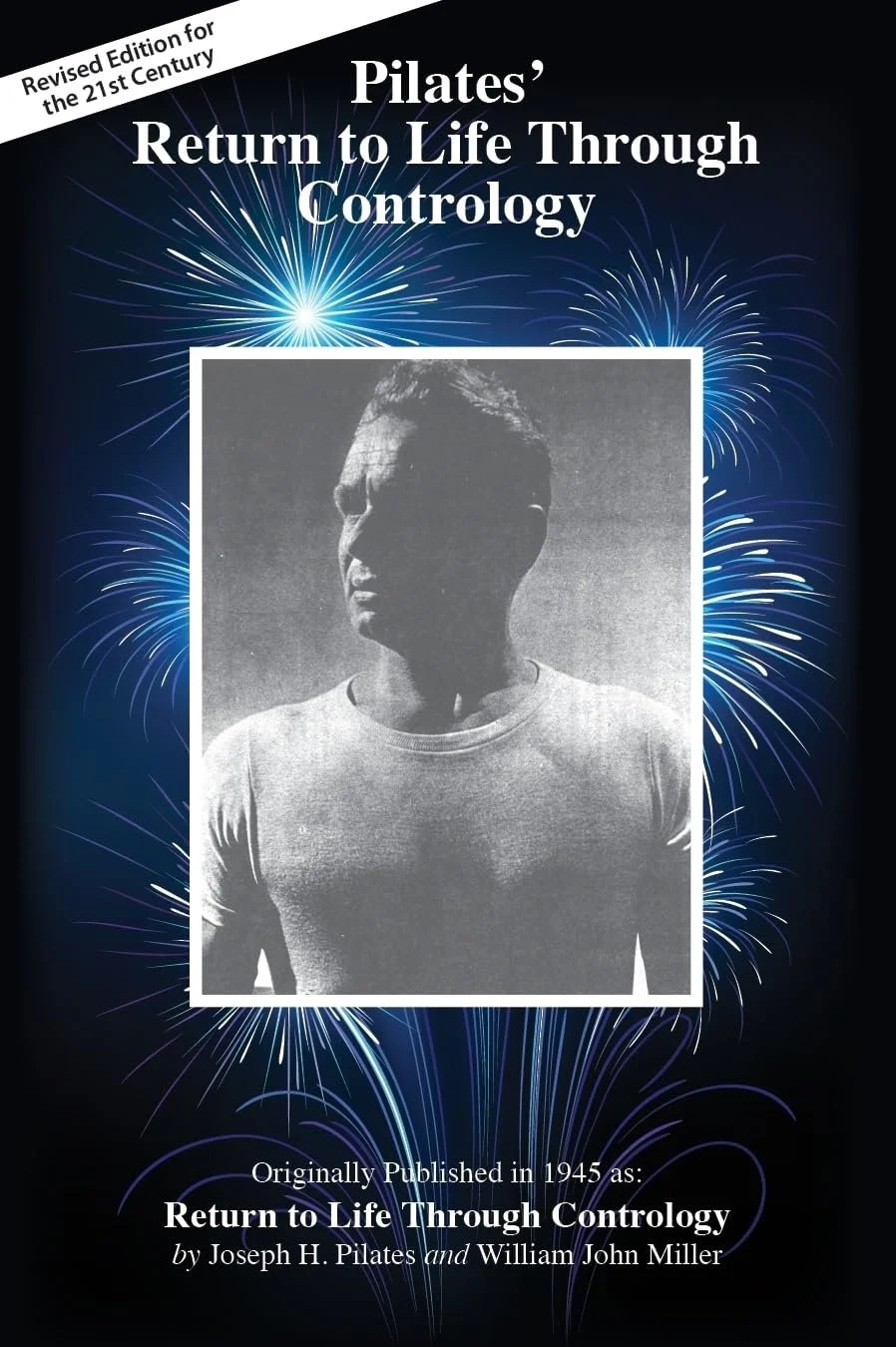
Pilates’ Return to Life Through Contrology
Learn the ideas behind the method and the original series of mat Pilates exercises from Joseph Pilates himself. Originally published in 1945, this small book explains his fundamentals for a healthy body and mind and includes step-by-step instructions for each exercise, along with photos of Joe demonstrating them.
(paid link)
Tools for Building Strength at Home
It doesn’t take much to bring the gym into your living room. Grab your mat and these tools to get an effective workout without a gym membership.
Resistance Bands
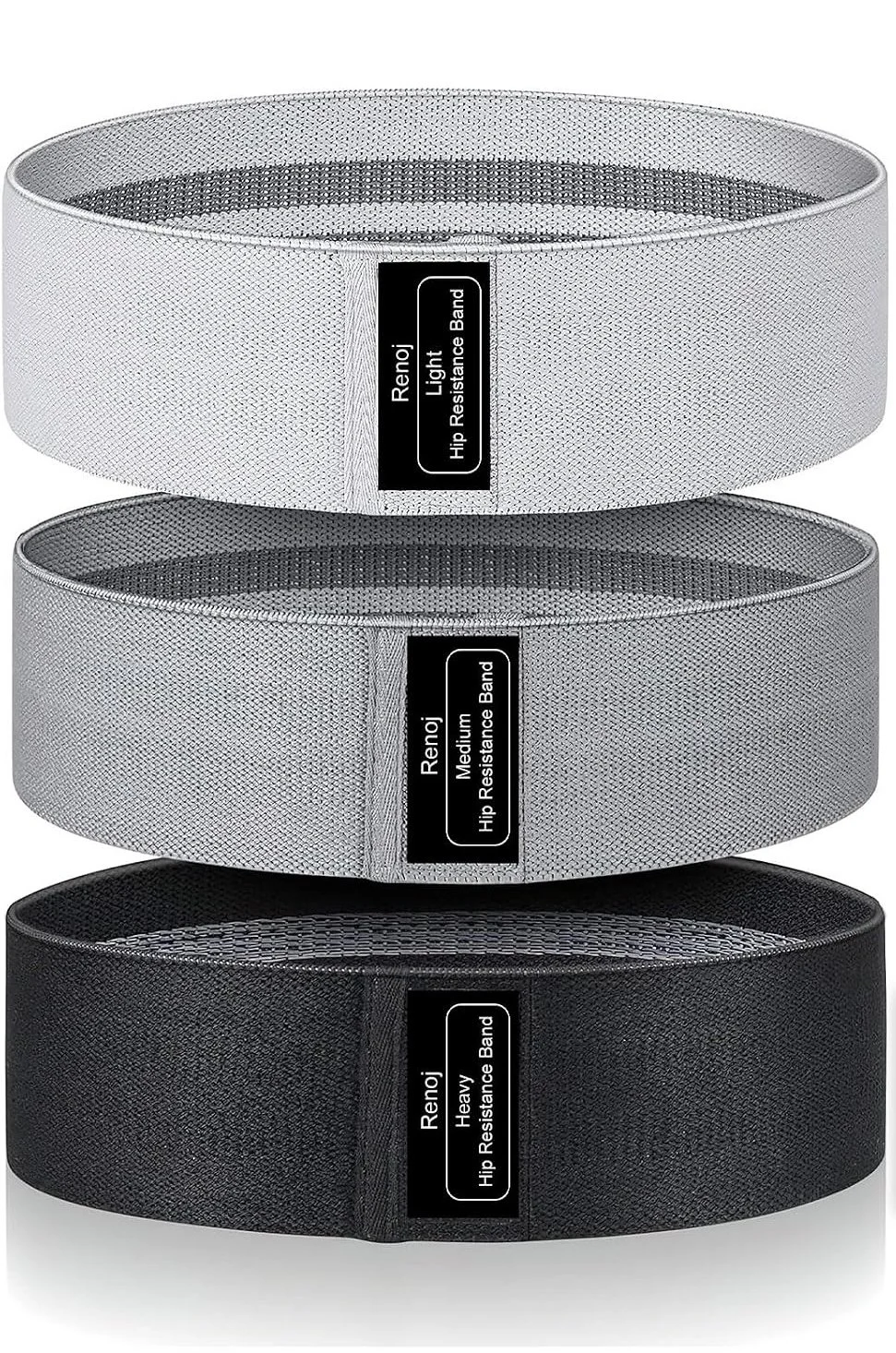
Fabric Resistance Band Loops — Set of 3
I love these for bridges and other glute work. If you’ve ever struggled to get a rubber loop around your legs — or had one roll up or dig in — these fabric bands are a great alternative. They’re larger and wider, so they’re easier to get on and less likely to roll. They come in three resistance levels, so you can choose the one that works best for each exercise.
(paid link)
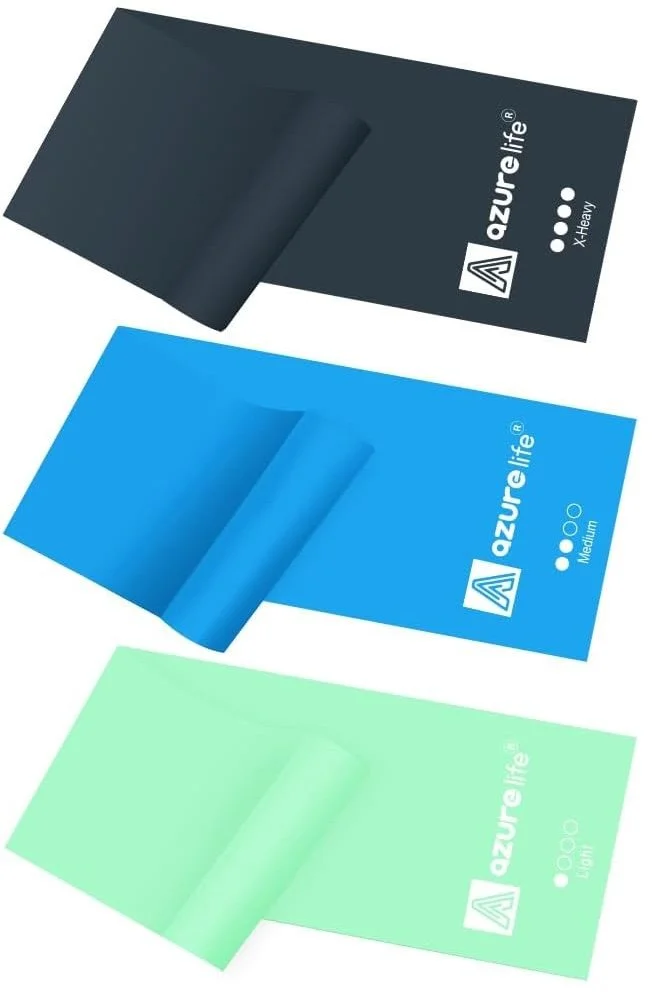
Long Resistance Bands — 6.9’ — Set of 3
These are my favorite bands for adding shoulder and upper-back work to both mat and equipment workouts. I also use them to recreate some exercises commonly done on Pilates equipment in mat workouts. I prefer the longer length because it gives me more options for how I use them.
(paid link)
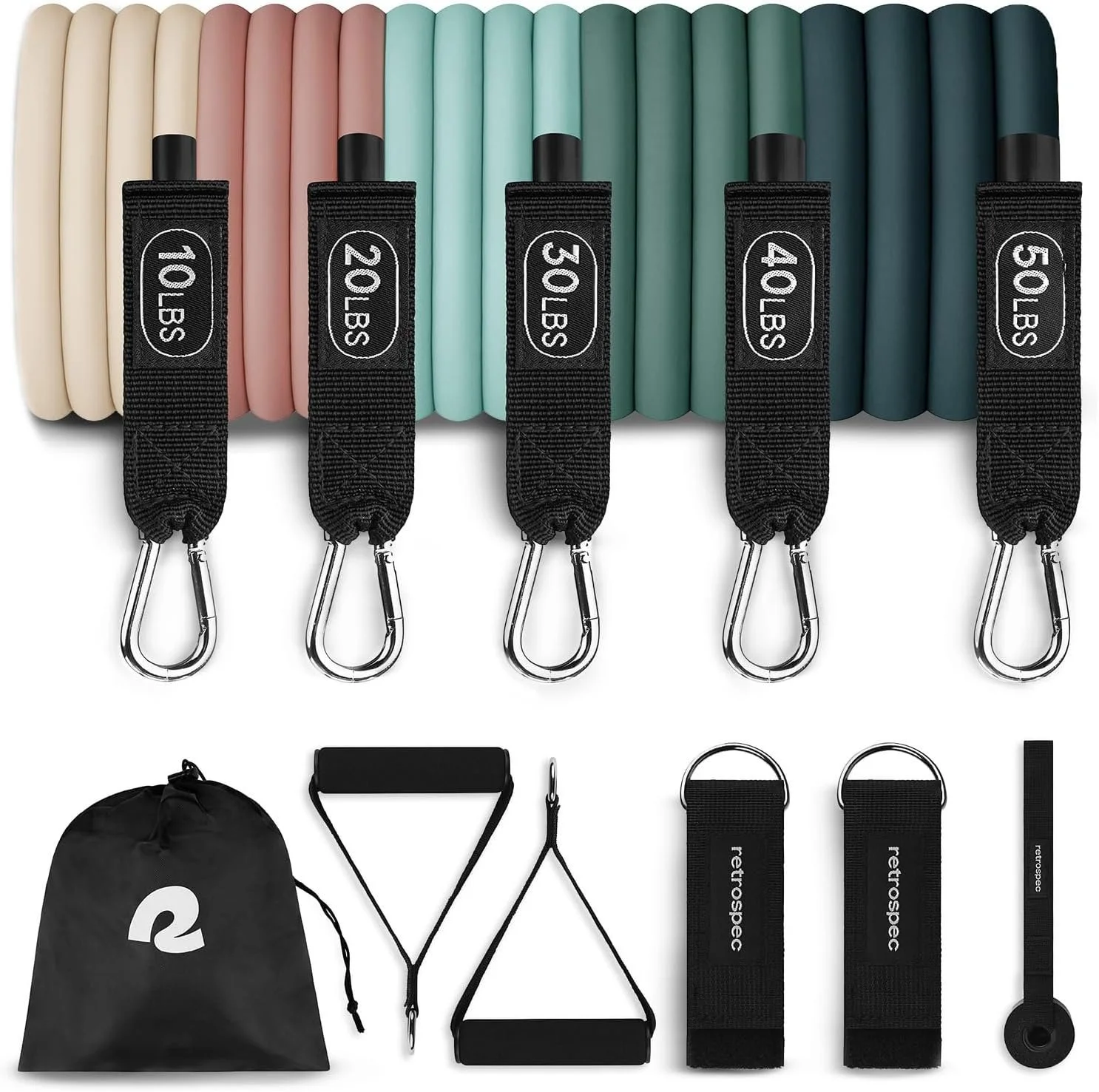
Resistance Band Set with Handles & Straps
This set is a low-cost way to bring the feel and some of the resistance of Pilates equipment and cable machines into a home workout. I like that the bands come in multiple resistance levels (that can also be combined), along with handles, straps, a door anchor and a travel bag to keep everything together.
(paid link)
Adjustable Weights
Dumbbells are a great way to build strength at home, but buying several weights can get expensive and take up a lot of space. I love adjustable dumbbells because I can choose the right weight for each exercise without storing an entire set.
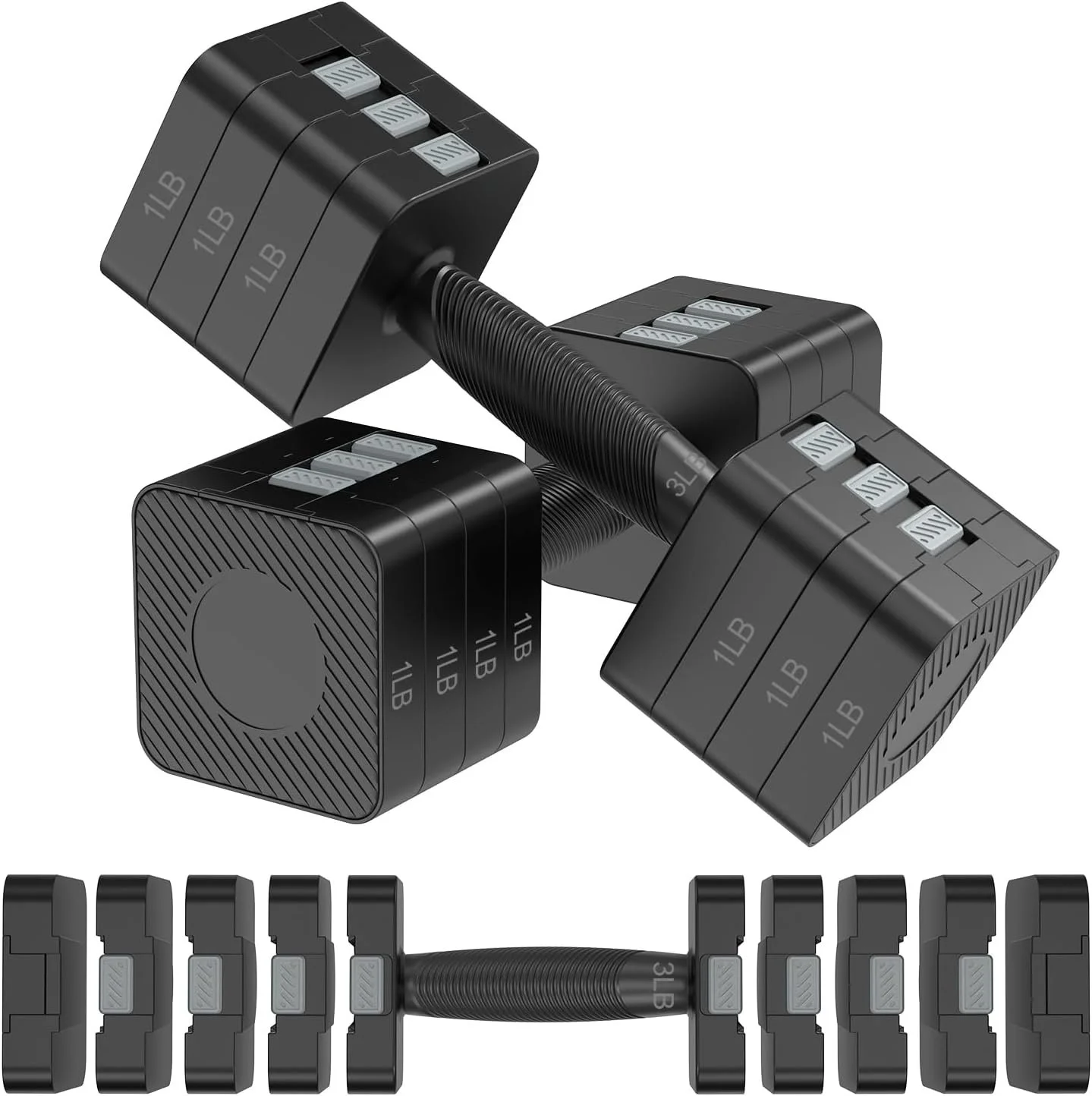
Adjustable Dumbbells Set — 3 to 11 lbs
This is my go-to set for upper-body work or adding weight to a mat Pilates workout. The center dumbbells are 3 lbs each and adjust up to 11 lbs with 1 lb plates. The plates are easy to add or remove but stay secure once attached.
(paid link)
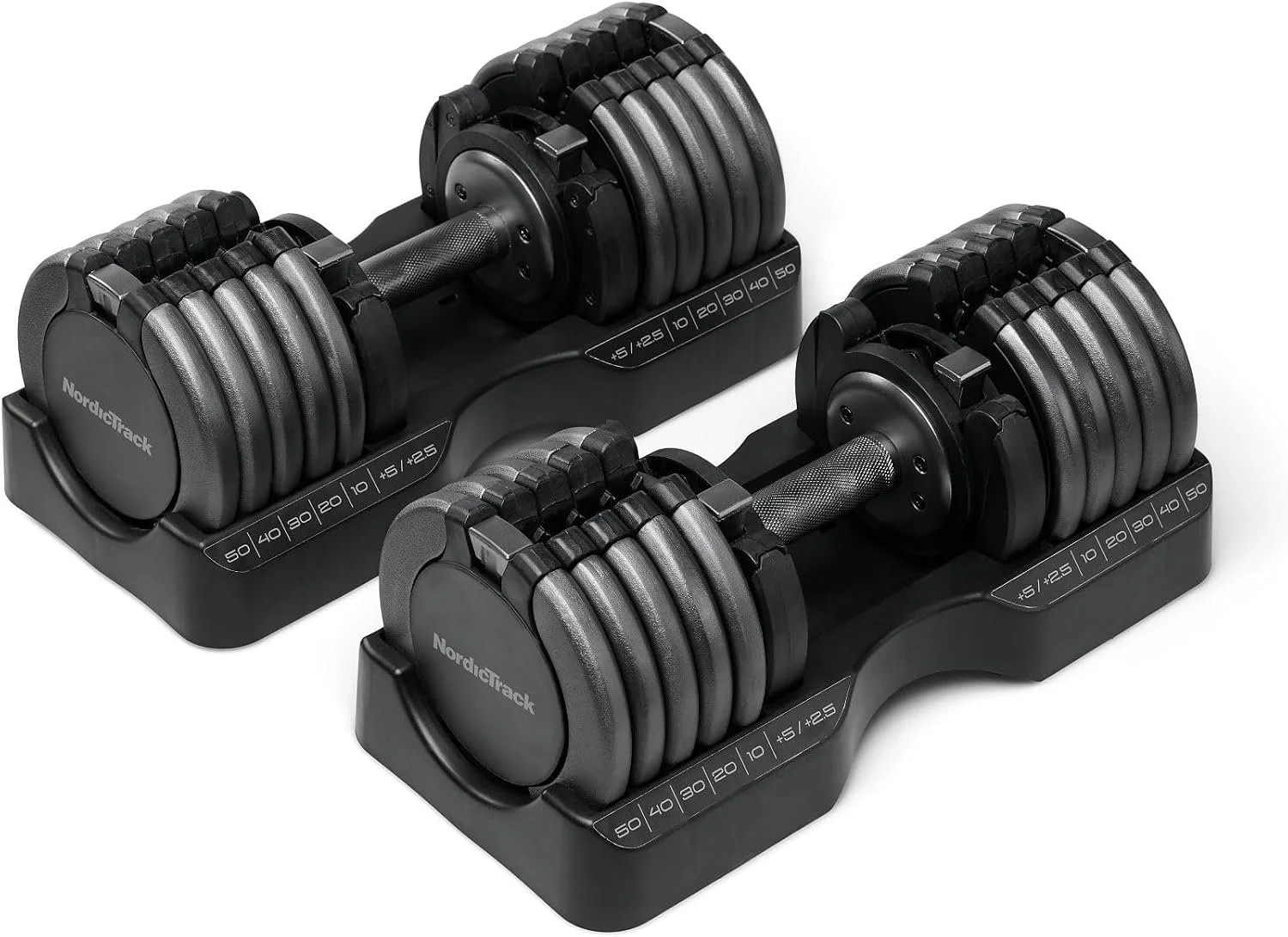
NordicTrack Select-a-Weight Adjustable Dumbbells — 5 to 50 lbs
If you’re comfortable lifting heavier weights at home, this set offers 5 to 50 lbs in 2.5 lb increments while taking up far less space than individual dumbbells. I still prefer the smaller set above for weights up to 10 lbs because they’re smaller and easier to move with. These are much larger, but I love them for leg workouts.
(paid link)
Recommended Reading
Interested in learning more about using weights to build strength? Here are a couple of great resources.
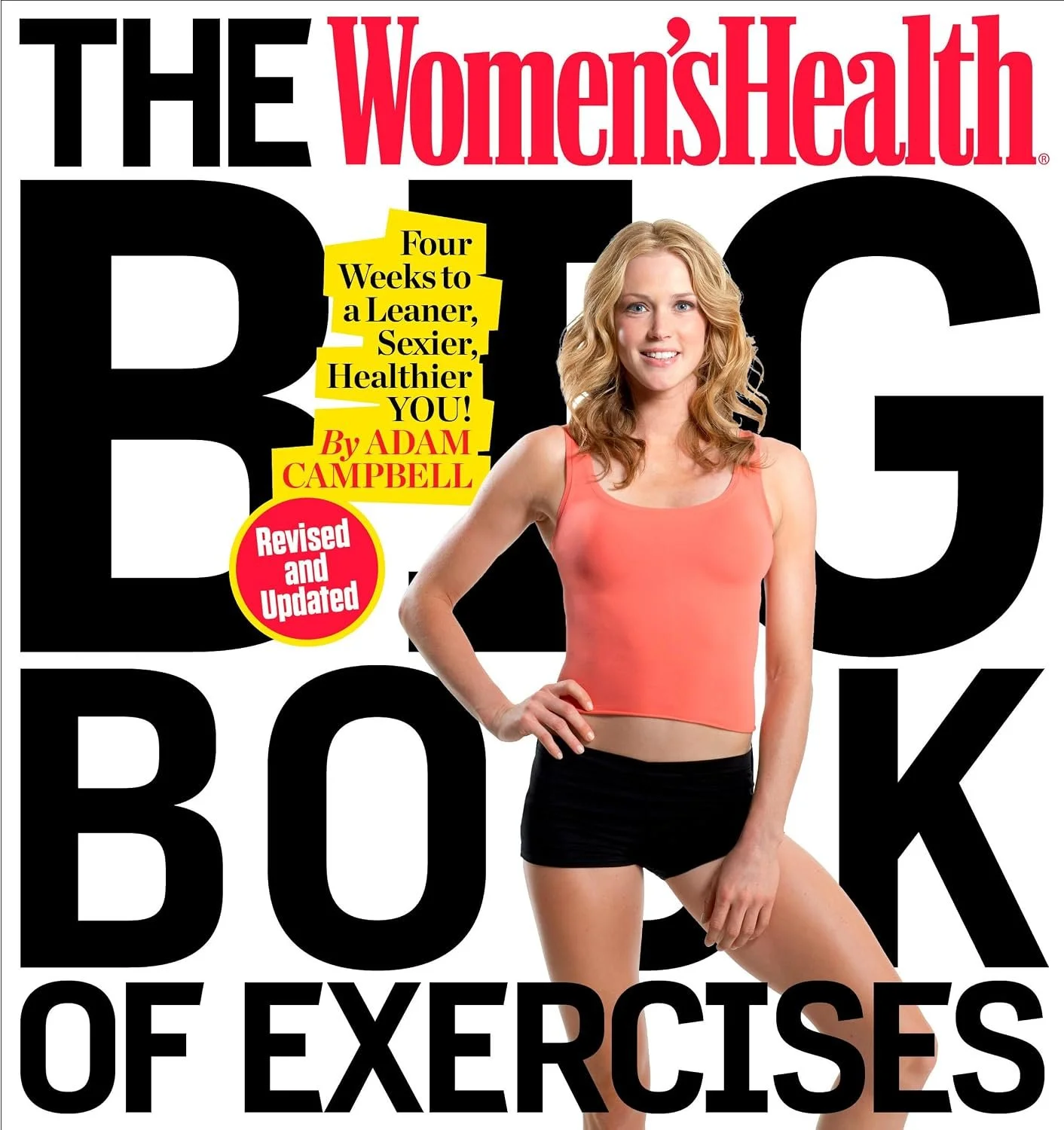
The Women’s Health Big Book of Exercises
Similar to their Big Book of Pilates, Women’s Health does a great job of clearly explaining hundreds of strength-building exercises and routines, with lots of full-color images and options organized by goal. You’ll find bodyweight exercises as well as exercises using dumbbells, barbells, cable weights, resistance bands and a stability ball, with modifications for both beginners and more advanced lifters.
(paid link)
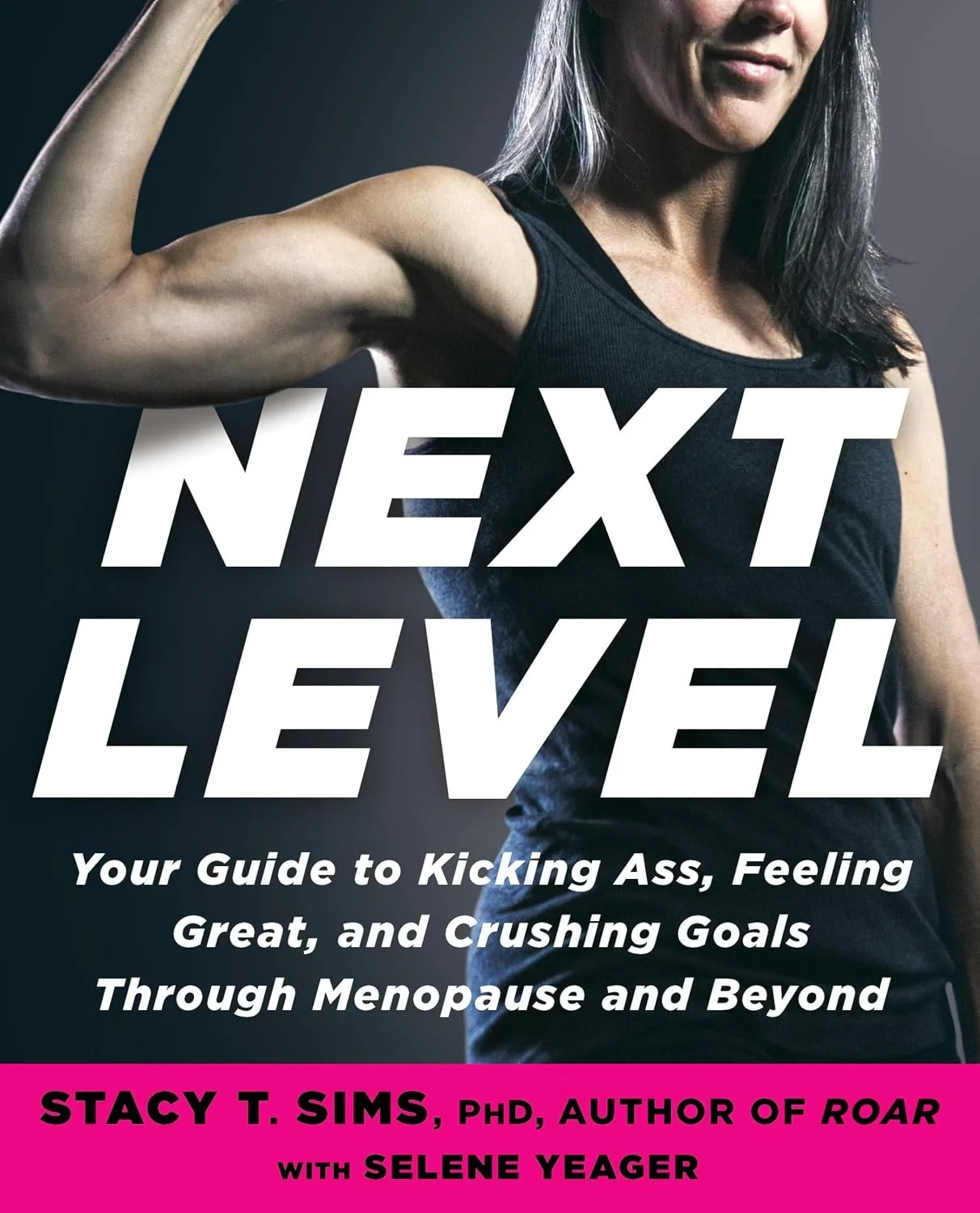
Next Level
Much of the research and advice around strength training, nutrition and supplements has historically been based on studies of men. Stacy Sims is a respected researcher specializing in studying active women, their needs, physiology and how that can vary from standard training advice. This book covers a variety of topics for women in their peri- and post-menopausal years from hormone and other therapies, cardio and strength training, recovery and sleep, bone health, hydration and more.
(paid link)
Tools for Mobility & Stiffness Relief
My favorite tools for hitting those hard-to-reach spots and soothing tight muscles.
Foam Rollers
OPTP Standard Density Pro-Roller — 36" × 6"
If I could have only one prop for my home workouts, this would be it. It’s my go-to for a quick reset when my back feels stiff, and it’s also a great way to add challenge to a workout. Foam rollers come in different sizes and densities. This one is 36″ — long enough to lie on comfortably — with a medium density that works well for a variety of uses.
(paid link)
OPTP Soft Density Pro-Roller — 36" × 6"
This roller is made of a softer foam, which can feel more comfortable for lying on and is preferred by some of my clients who like less pressure. If you like a softer mattress, this may be the roller for you.
(paid link)
Stability Ball
ProBody Stability Ball
A stability ball can be great for supported stretching, spinal mobility and seated movement.
Two things matter most when choosing a stability ball: thick, anti-burst material, so it slowly deflates rather than bursting if punctured, and selecting the right size for your body. This one comes in five sizes and several colors and includes a pump for inflating.
(paid link)
Foot Recovery Ball
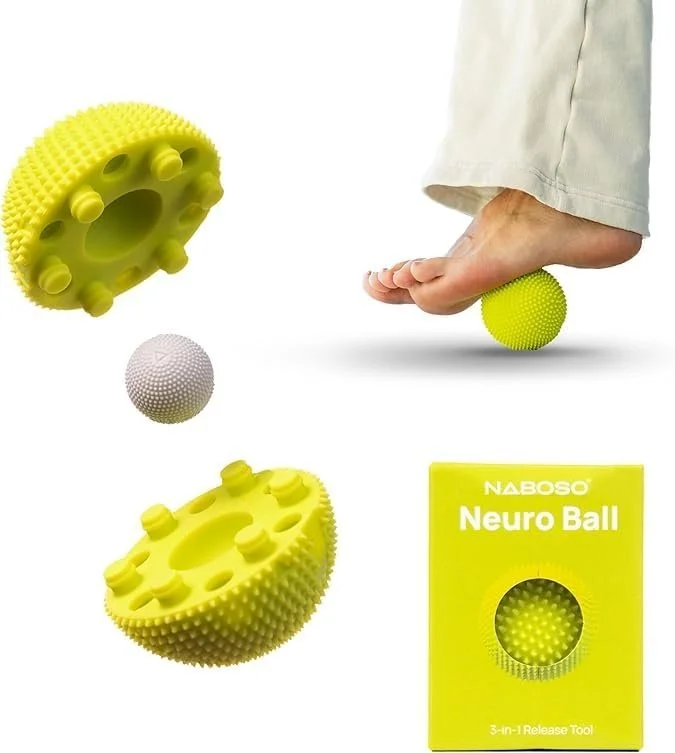
Naboso Neuro Ball
I love this ball at the end of a long day when my feet ache. A few simple moves help them feel less stiff and heavy. I also use it with clients who have balance challenges to improve foot awareness and connection to the ground before a workout. It’s small enough for travel and feels great after hours on your feet.
(paid link)
Self-Massage Balls
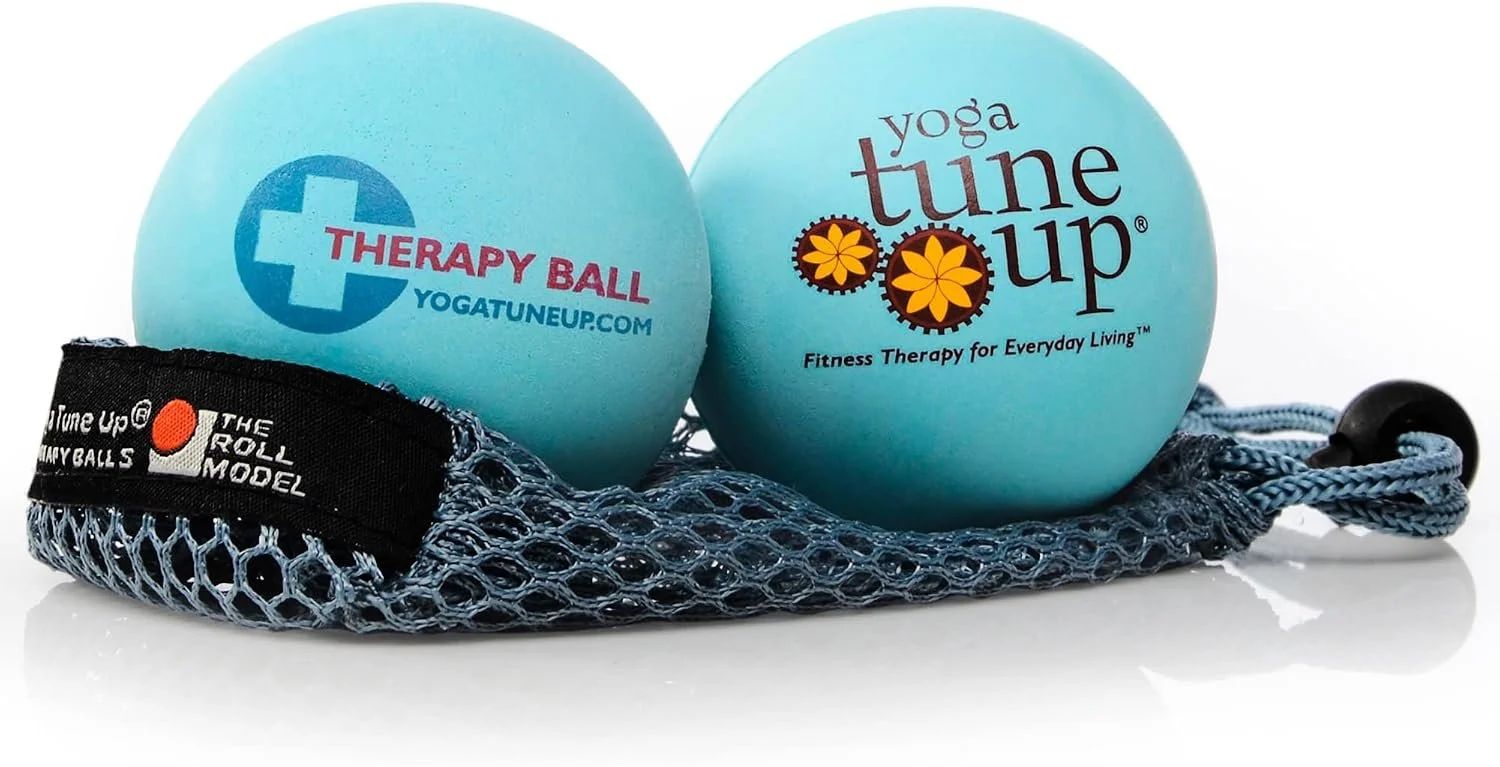
Yoga Tune Up Therapy Balls — 2.5"
These little balls are just the right size for massaging and digging into tight muscles, either individually or together in the included mesh bag. Paired in the bag, they can mimic a foam roller for massaging the back without putting pressure directly on the spine. Because of their versatility, I often tuck these in my suitcase when I travel.
(paid link)
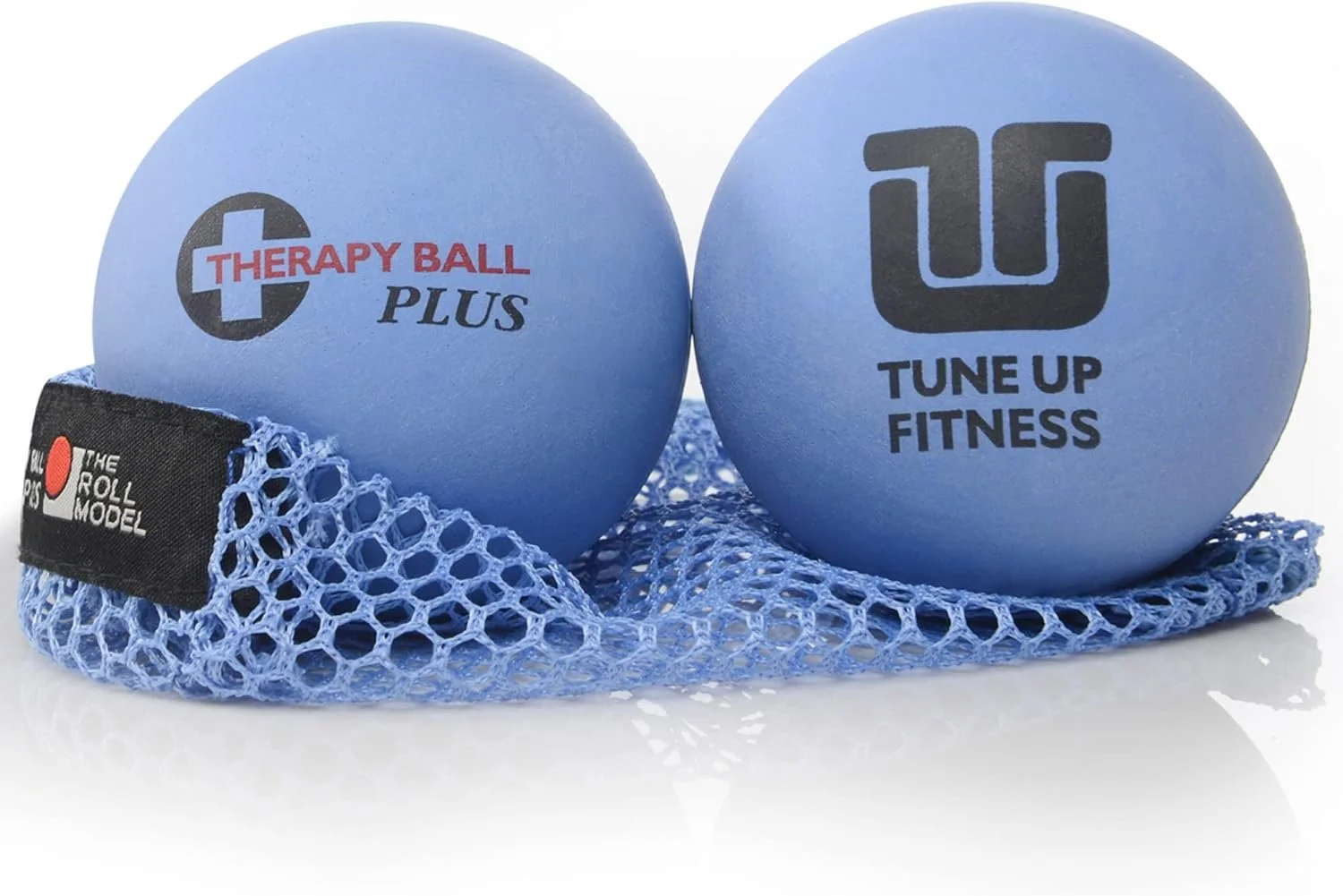
Yoga Tune Up Therapy Balls PLUS — 2.75"
Slightly larger and softer than the standard Yoga Tune Up balls above, I prefer these for more tender spots. The pressure feels more like using the base of your palm, while the smaller balls feel more like using your thumb to massage.
(paid link)
Recommended Reading
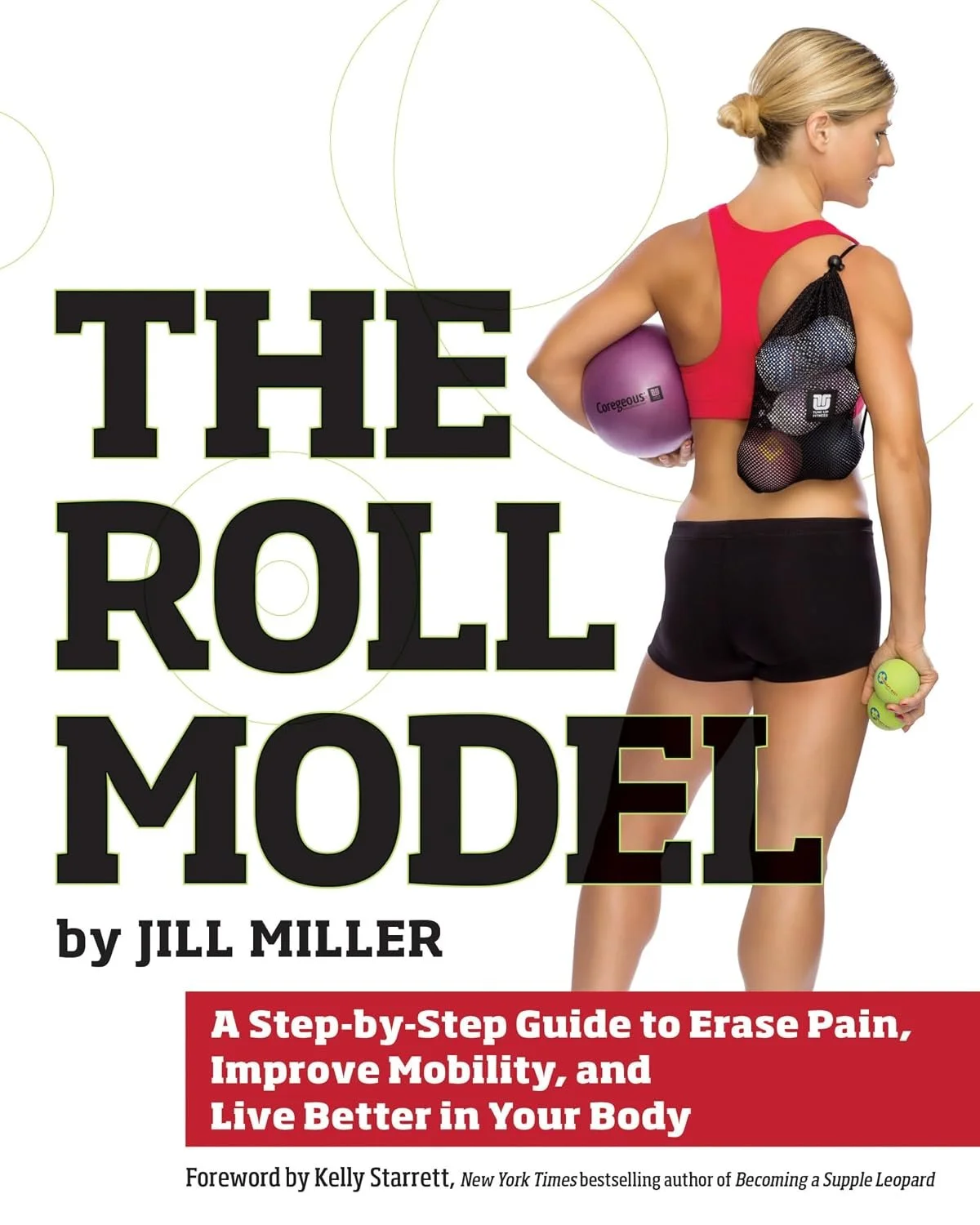
The Roll Model
This book by Jill Miller, creator of the Yoga Tune Up Therapy Balls above, is full of photos and techniques for using the balls and other self-massage tools to relieve tension. I recommend it to clients who want to learn more about using these tools and doing mobility work at home.
(paid link)
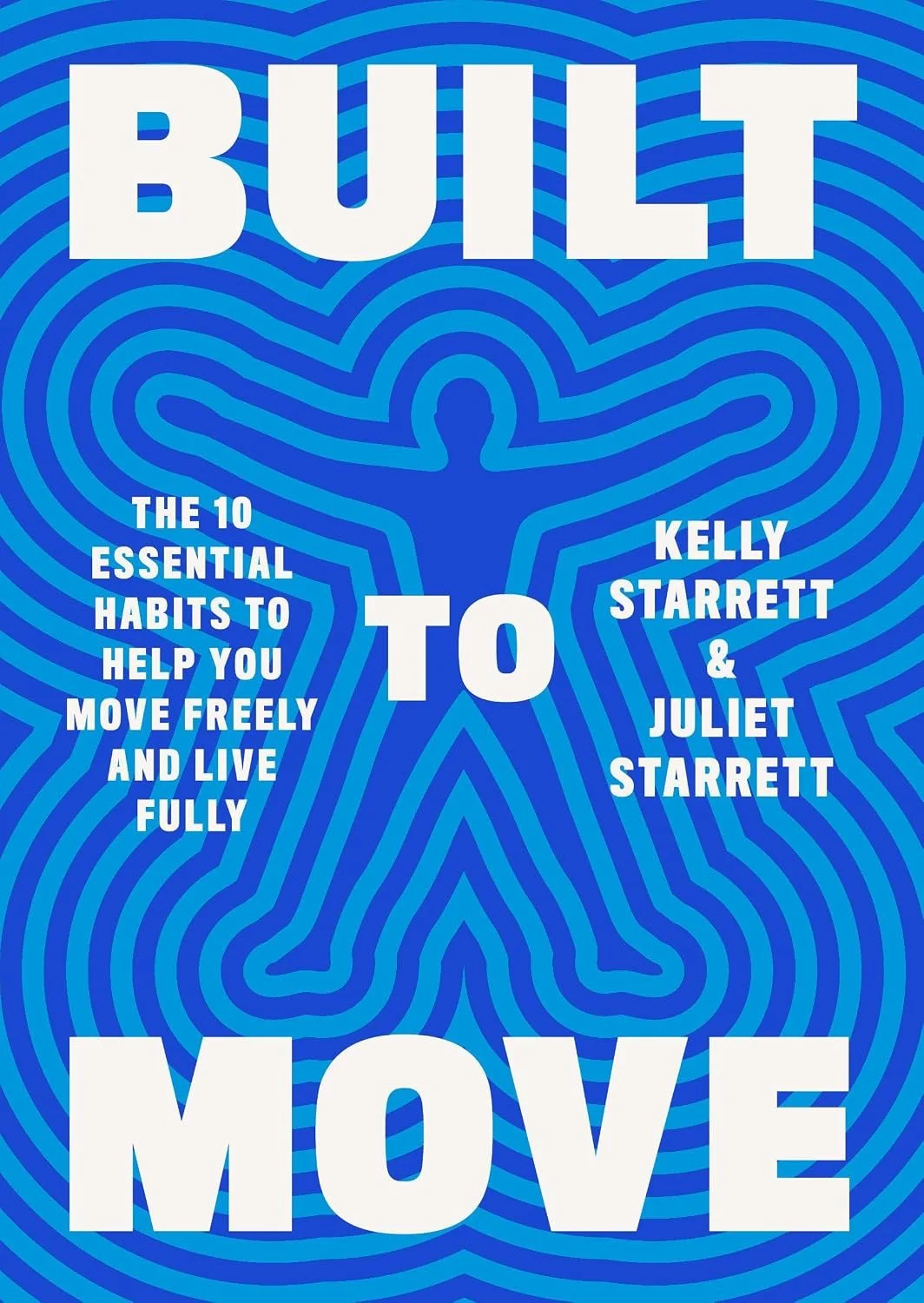
Built to Move: The Ten Essential Habits to Help You Move Freely and Live Fully
This is probably the book I recommend most often to clients who want practical ways to stay mobile and healthy. It’s a quick, easy read, full of illustrations. Each chapter covers one of ten essential habits for maintaining strength, mobility, balance and general wellness over time, along with simple tests to gauge where you are today and exercises for improvement.
(paid link)
Tools for Improving Balance
Helpful tools for improving toe, foot and ankle mobility, awareness and balance.
Half-Foam Roller
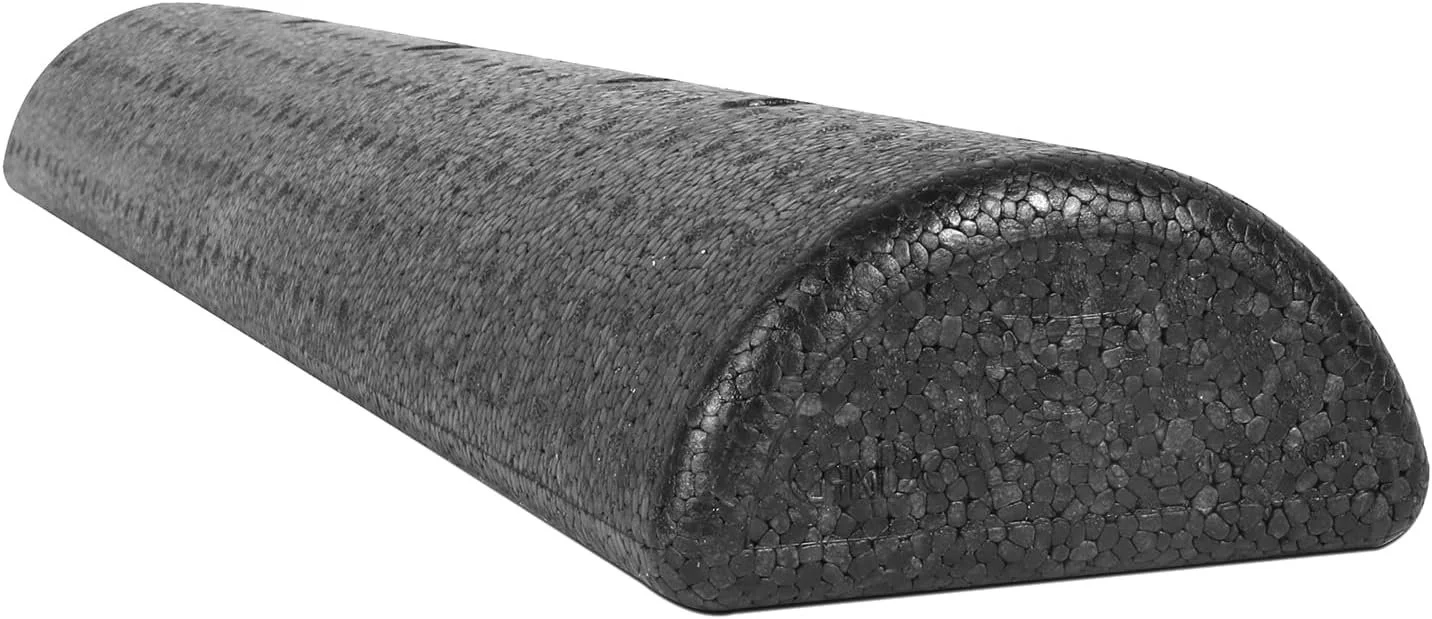
CanDo High-Density Roller, Half-Round — 36" × 6"
The round foam rollers above are some of my favorite tools for mobility work and for challenging control and stability in Pilates mat exercises. This half-roller, meanwhile, is great for balance work. I use it with clients for standing balance exercises as well as squats and lunges. I prefer the high-density (firm) version for standing on, but it also comes in softer foam if you want something more comfortable to lie on in place of a full roller.
(paid link)
Toe Spacers
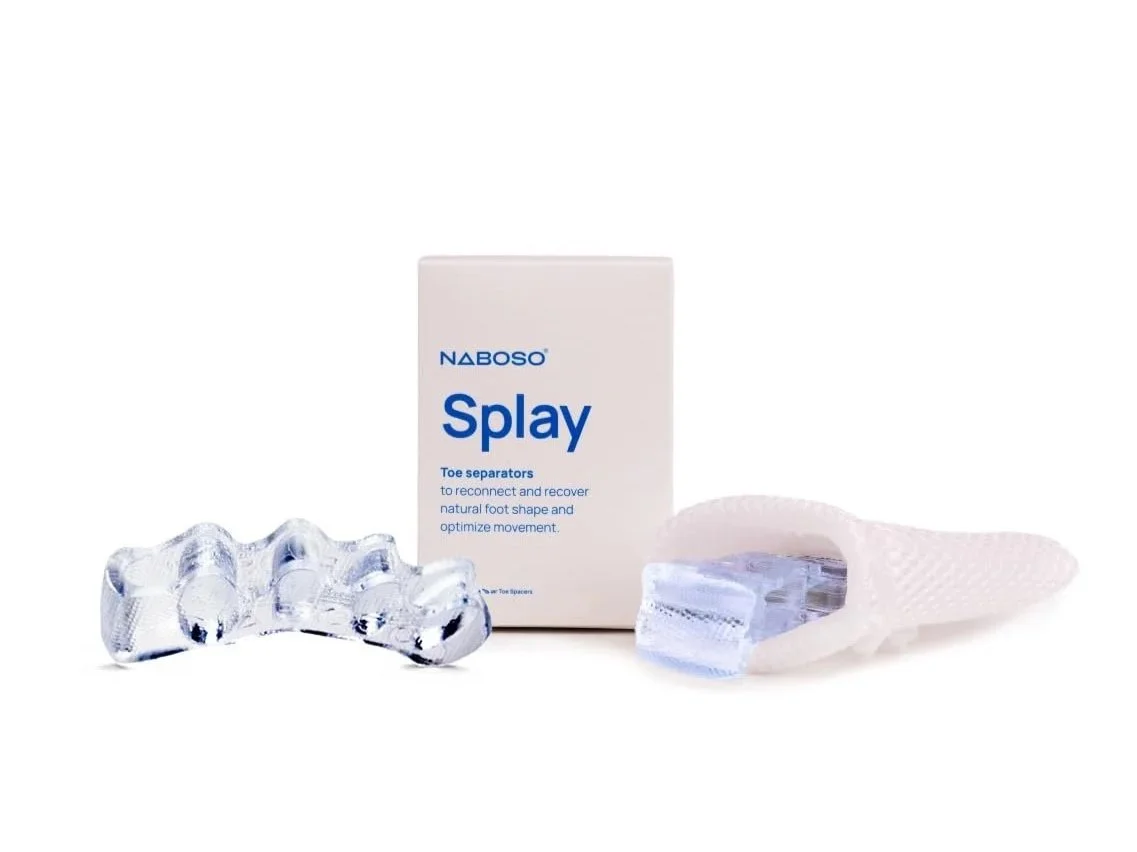
Naboso Splay 2.0 Gel Toe Spacers
Balance starts with our feet, and stiff toes can make it more challenging. These toe spacers have helped several of my clients improve toe alignment and spacing, supporting better balance and foot stability. I particularly like this pair because the material is thin and flexible, making them more comfortable than other brands I’ve tried.
(paid link)
Franklin Balls
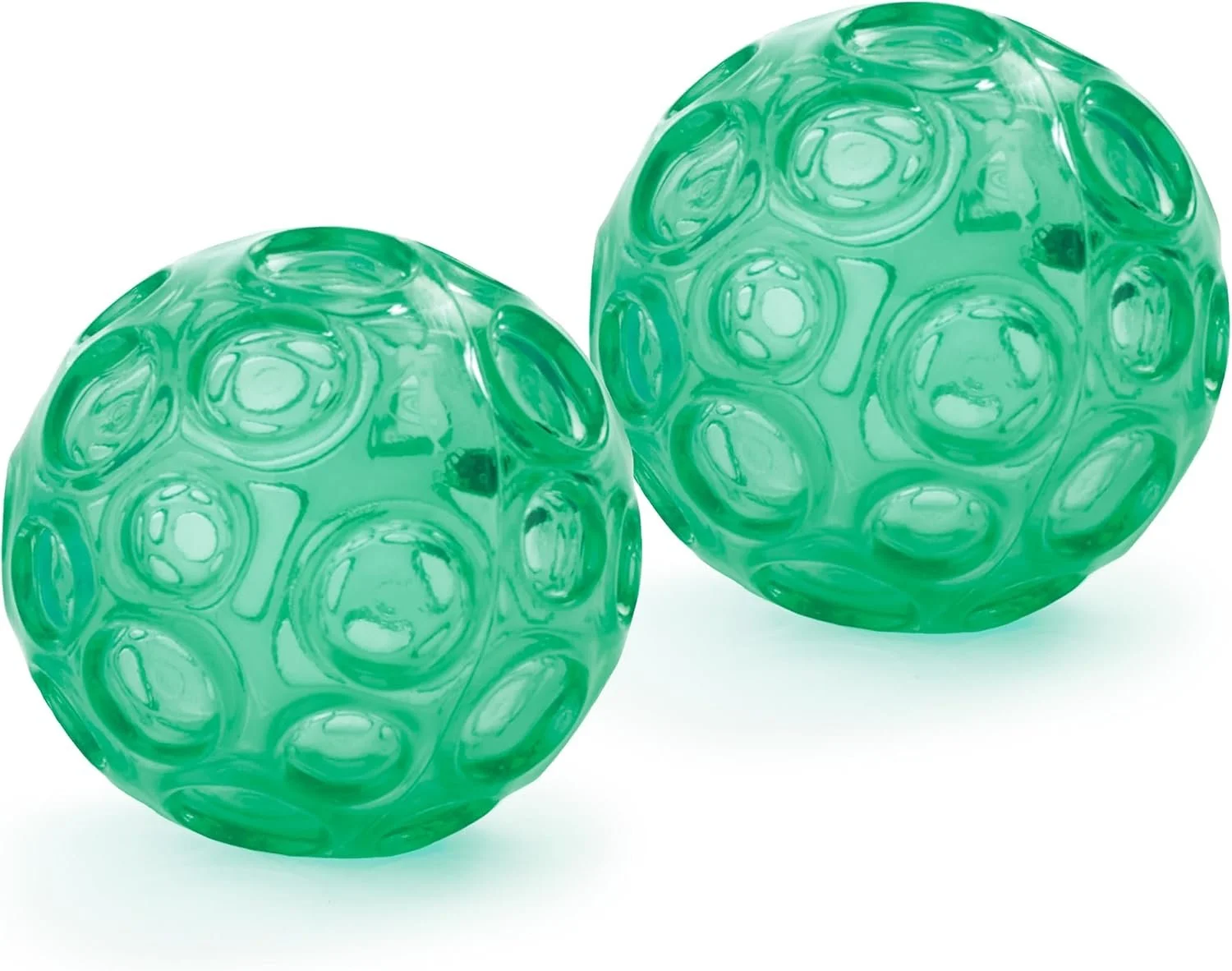
Franklin Method Textured Ball Set
I love these balls for massaging and activating the muscles of the feet before a workout. I also use them with clients to build awareness, balance, ankle stability and strength in the feet.
(paid link)
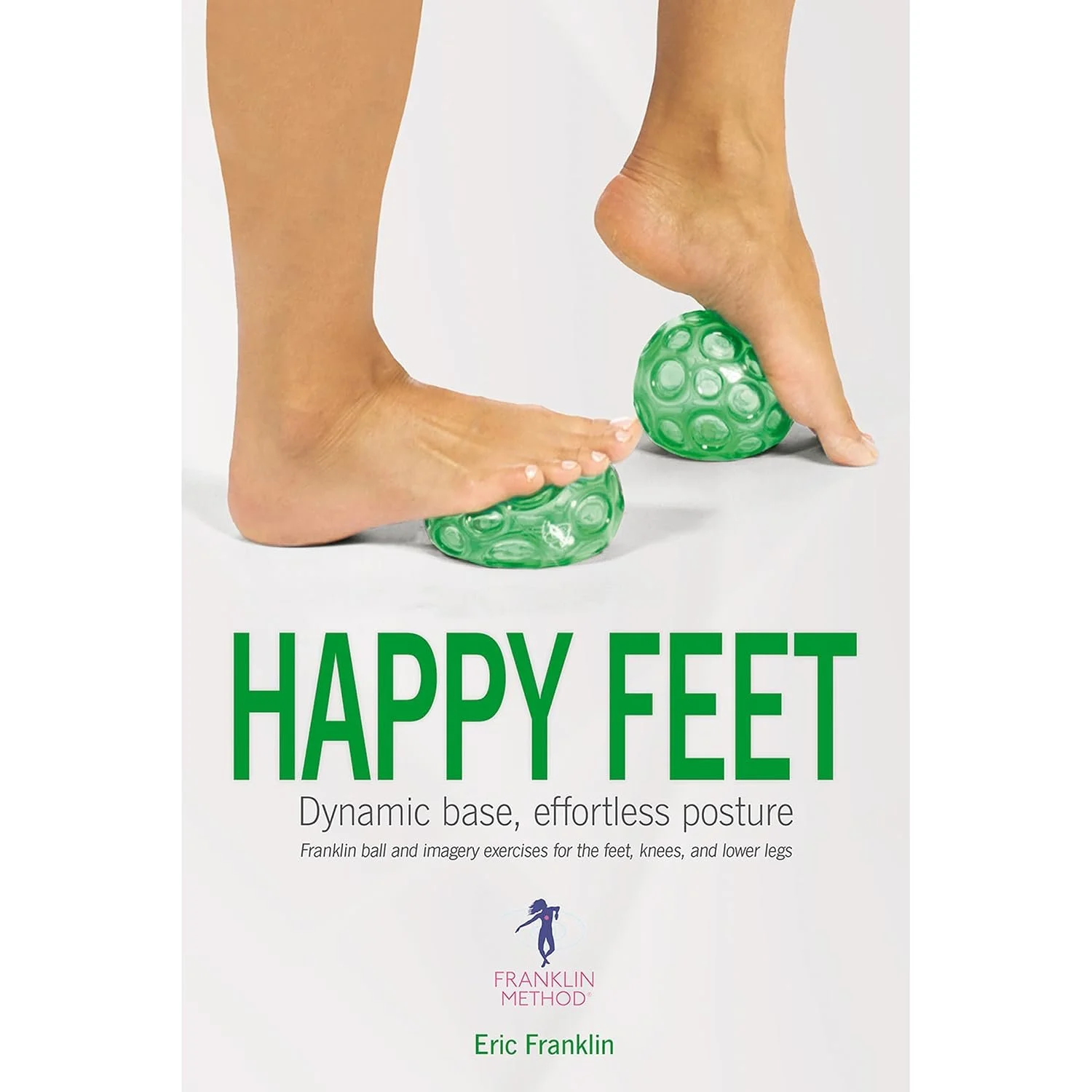
Happy Feet: Dynamic Base, Effortless Posture
This short book by Eric Franklin, creator of the Franklin Method, is filled with photos and guided imagery for simple movements using the textured Franklin balls above. It’s a helpful resource for working on balance and body awareness at home.
(paid link)
Socks & Shoes
Barefoot is my favorite way to work out because it gives me a better sense of how I’m moving and connecting to the ground. If you prefer — or need — to wear socks or shoes, these are my favorites.
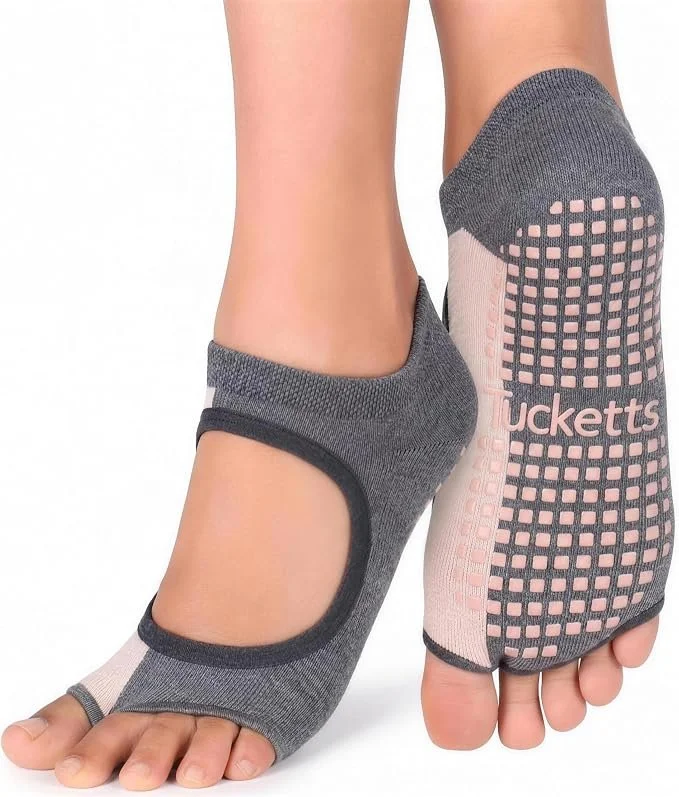
Tucketts Allegro Toeless Grip Socks
I prefer Pilates barefoot, but some studios require socks. In those cases, I reach for these because they’re as close to barefoot as I’ve found. They fit securely while leaving the toes free to move, without having to thread each toe through individual openings.
(paid link)
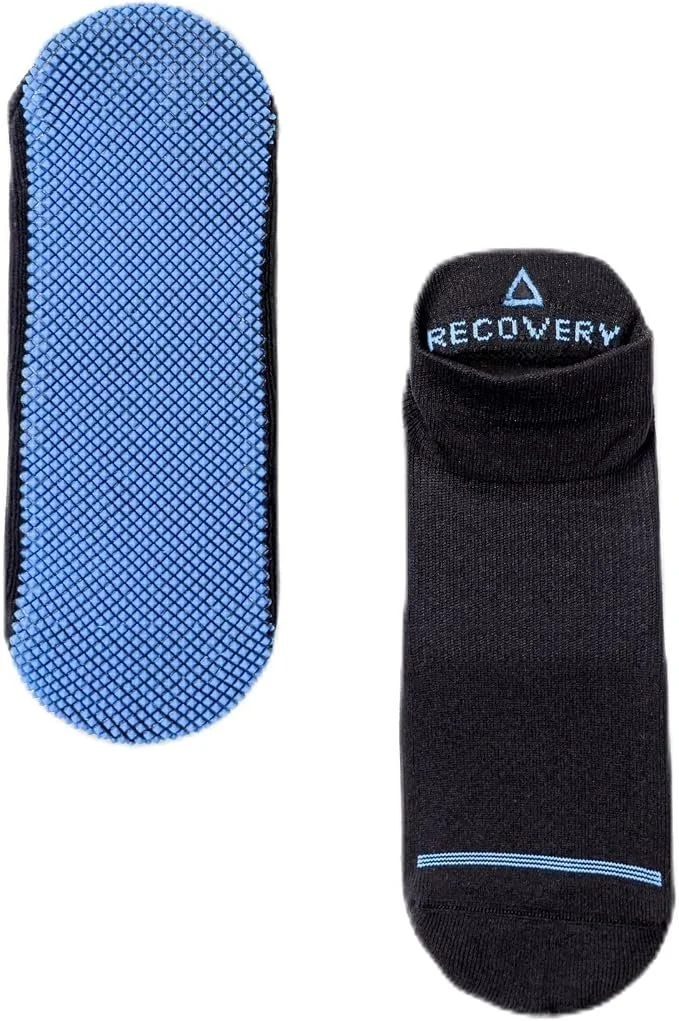
Naboso Textured Grip Socks
Like the socks above, these have grippy bottoms, but they also have a hidden textured insole designed to provide extra sensory input to the feet, helping improve awareness and stability. I’ve found them helpful for clients who have difficulty feeling how their feet contact the ground and benefit from that extra feedback to improve balance while working out.
(paid link)
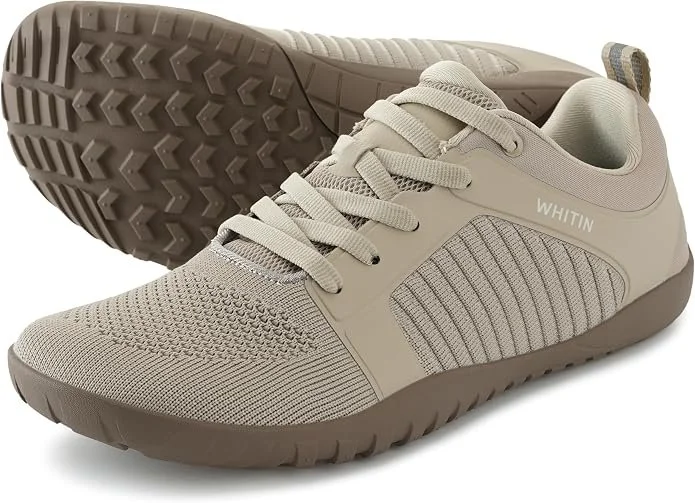
WHITIN Women's Wide Barefoot Trail Running Shoes
What about strength workouts? At home I still prefer to be barefoot, but at the gym or out for a walk, these are the shoes I reach for. The barefoot-style design has a wide toe box, zero-drop heel and thin, flexible sole. I’ve owned several pairs of barefoot-style shoes, including some that cost three times as much, and these have been every bit as good as the more expensive pairs.
I have wide feet, so these fit just right. If you have a narrower foot but still want to try a barefoot style shoe, check out this version instead.
(paid link)
Interested in Purchasing a Reformer or Other Pilates Equipment?
I’ve worked in many studios over the years, giving me the opportunity to work out and teach on a wide variety of Pilates equipment. Balanced Body is the brand I use and recommend. They’re a U.S.-based manufacturer — most of their equipment is built in my home state of California — with 50+ years of experience.
If you have questions, I’m happy to help you. I don’t earn a commission on Balanced Body equipment — I just know it’s a big purchase and how helpful it can be to have someone to ask.