Starting Is Usually the Easy Part
You decide you’re going to exercise more. You have a goal. Maybe you sign up for a class, buy new shoes or mark your workout days on your calendar.
The first week goes great.
And then, life happens. . . Work gets busy. . . The kids (or grandkids) are busy (and someone has to pick them up and drive them to practice). . . You travel. . . Someone gets sick. . . You don’t sleep well.
One missed workout turns into a few and suddenly getting started again feels a lot harder than it did the first time.
That’s the part we don’t plan for enough.
Building an exercise habit isn’t about perfection. It’s about creating a plan that’s realistic and practical enough that you’ll keep coming back to it.
It helps to have a clear goal — to feel stronger, stay active, improve your health, manage stress or simply feel better in your body. But even a really meaningful goal needs a plan that works when motivation fades and life gets complicated.
Here are three practical approaches I’ve found helpful for making movement a more consistent part of my routine.
1. Consistency Over Intensity
One of the quickest ways to get frustrated is to view your workouts as all-or-nothing events.
If a workout only “counts” when you have an hour to exercise, plenty of days are going to feel like failures before you even begin.
But movement doesn’t have to be long or exhausting to be worthwhile.
Some days you may have the time and energy for a full workout.
Other days it might be:
a walk around the neighborhood
a set of squats when you stand up from your desk
a 15-minute Pilates workout
taking the stairs and parking in the back of the lot to get more movement throughout your day
The goal isn’t to make every workout impressive. The goal is to do SOMETHING.
A shorter workout you actually do is better than the perfect workout you keep waiting to have time for.
2. Make It Easier to Follow Through
Good intentions are useful, but they still leave you with decisions to make every time you work out.
When?
Where?
What am I going to do?
Do I have enough time?
When you’re already tired and short on time, it’s easy to think that maybe tomorrow would be better. When those decisions are made ahead of time, it becomes easier to follow through.
Instead of:
I’m going to work out more this week.
Try:
I’m going to take a 20-minute walk after dinner on Monday, Wednesday and Friday.
Or:
Tuesday morning before work, I’m doing the 15-minute workout I already bookmarked.
Then make starting as easy as possible:
Put your walking shoes where you’ll see them.
Leave your weights out.
Bookmark the workout.
Put the class on your calendar.
Pack your clothes the night before.
Small things, but they remove one more reason to put it off.
And Plan for the Days When Your Plan Doesn’t Work
This may be even more important.
Your routine will get interrupted — that doesn’t mean you failed. Instead of getting frustrated or feeling defeated, decide in advance what you’ll do when your original plan isn’t possible.
If you miss your planned 30-minute workout, could you walk for 15 minutes instead?
If you miss Monday, do you try again Tuesday instead of putting it off until next week?
If you’ve been traveling for a week, what’s the easiest workout to come back to?
The interruption doesn’t have to become the end of the routine.
3. Don’t Do It Alone
You may be the one doing the workout, but that doesn’t mean you don’t need support.
Motivation comes and goes.
That’s exactly why it helps to surround yourself with people, reminders and places that keep reinforcing the habit you’re trying to build. That could be:
making plans to walk with a friend
taking a class where people expect to see you
working with a teacher or trainer
following people whose approach to exercise makes you want to keep moving
listening to podcasts, reading books or watching shows that reinforce the habits you’re trying to build
spending more time with people who make healthy choices feel normal
None of those things will keep you motivated all the time — and that’s not the point.
They simply make it easier to stay connected to what matters to you when you’re tired, distracted or just don’t feel like doing it.
Put It Into Practice
Now make it practical. Let’s start with the coming week.
Choose:
What are you going to do?
Be specific.
When are you going to do it?
Put it on your calendar.
What is the minimum that still counts?
Maybe your ideal workout is 30 minutes, but 10 minutes keeps the habit going on a busy day — and you’d be surprised what you can fit into 10 minutes.
What will make it easier to start?
Shoes by the door? Workout bookmarked? Clothes ready?
Who or what will help reinforce it?
A friend, class, teacher, reminder or something you regularly read or listen to.
And finally:
What will you do if you miss it?
Decide that now too.
Not because you expect to fail, but because life will happen — and when it does, you’ll already have a plan.
Need Something Simple to Start With?
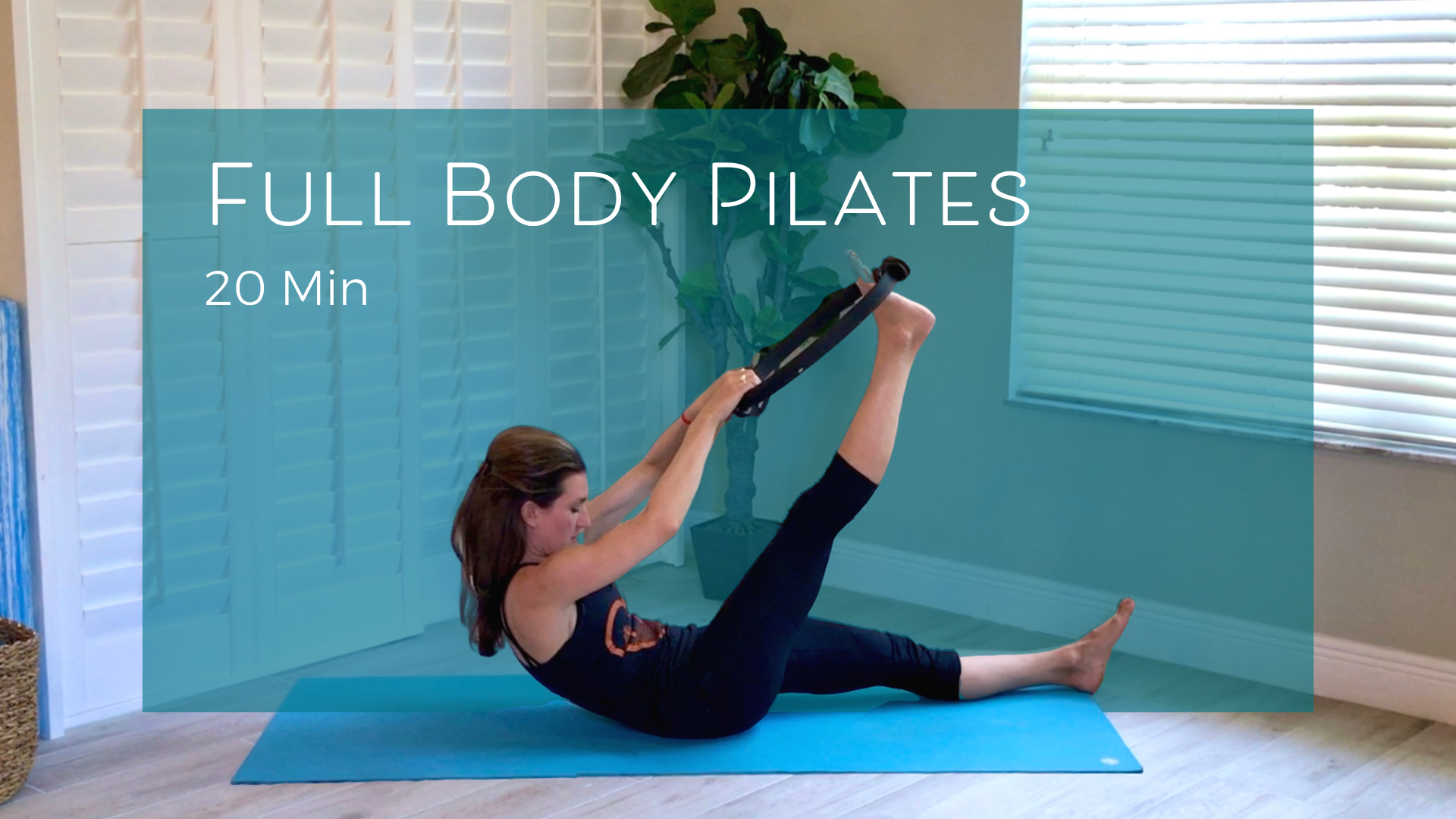
If finding time is one of the things that gets in your way, try this 20-minute full-body Pilates workout. You can build strength, improve mobility and work your whole body without needing to carve out an hour — a good reminder that a workout doesn’t have to be long to be worthwhile.
The Takeaway
You don’t need a perfect routine to build a lasting exercise habit. (Honestly, does anyone actually have one of those?)
You need something realistic enough to repeat, easy enough to follow through on and supported by people and an environment that keep reinforcing the habits you want to build.