
Pilates isn’t just about WHAT you do but HOW you do it.
Pilates exercises can look deceptively simple. I often joke that its secret tagline is “. . . it’s harder than it looks.”
When done well, Pilates looks graceful and almost effortless — much like watching a dancer move across the stage — but the reality is, it takes concentration and effort to not just complete the movements but to do them with control.
Pilates requires you to pay attention to how you’re moving — engaging the intended muscles, avoiding relying on momentum to complete the exercise, noticing where you’re holding unnecessary tension and staying in control as the exercise becomes more challenging.
The Pilates Principles
Pilates is more than a series of exercises. It’s also a method — a way of moving designed to strengthen the mind-body connection and improve both physical and mental well-being.
Joseph Pilates called his method Contrology and emphasized conscious, purposeful movement in his teaching. Today, those ideas are often distilled into a set of Pilates movement principles, including:
Whole Body Movement
Breathing
Balanced Muscle Development
Centering
Precision
Flow
Concentration
Control
In other words, Pilates isn’t just about what you do, but how you do it.
A Place to Start: Concentration & Control
The Pilates principles work together, each one influencing and building on the others, but concentration and control offer a simple starting point for understanding how the method changes the way you approach exercise.
Concentration means paying attention to what your body is doing as you move.
Where do you feel the exercise?
What muscles are you using?
Are you holding your breath?
Are your shoulders creeping toward your ears?
Are you controlling the movement or letting momentum take over?
Control means using that awareness to make the movement more intentional.
Maybe you slow the movement down.
Maybe you change the range of motion, making the movement larger or smaller.
Maybe you’re able to stabilize your pelvis while your leg moves.
Instead of simply getting through the exercise, you start focusing on how you’re doing it — making only the intended movements, using the muscles you’re targeting and stabilizing the rest of the body to avoid relying on momentum or creating excess strain.
That also means prioritizing quality over quantity. There's no need for endless repetitions if you're getting the most out of each one.
Approaching not just Pilates, but any exercise, with more focus and intention will improve the quality of your movement and help you get more from your workout.
Why This Matters Beyond Your Pilates Workout
Concentration and control teach you to notice what you’re doing and how you’re moving — especially during a challenging exercise. Over time, that awareness can carry into walking, lifting weights, climbing stairs, reaching overhead or simply recognizing when you’re compensating because something feels difficult.
Put It Into Practice
Want to put these Pilates principles into action and experience how a few small adjustments to a movement you’ve done hundreds of times before can be an absolute game changer?
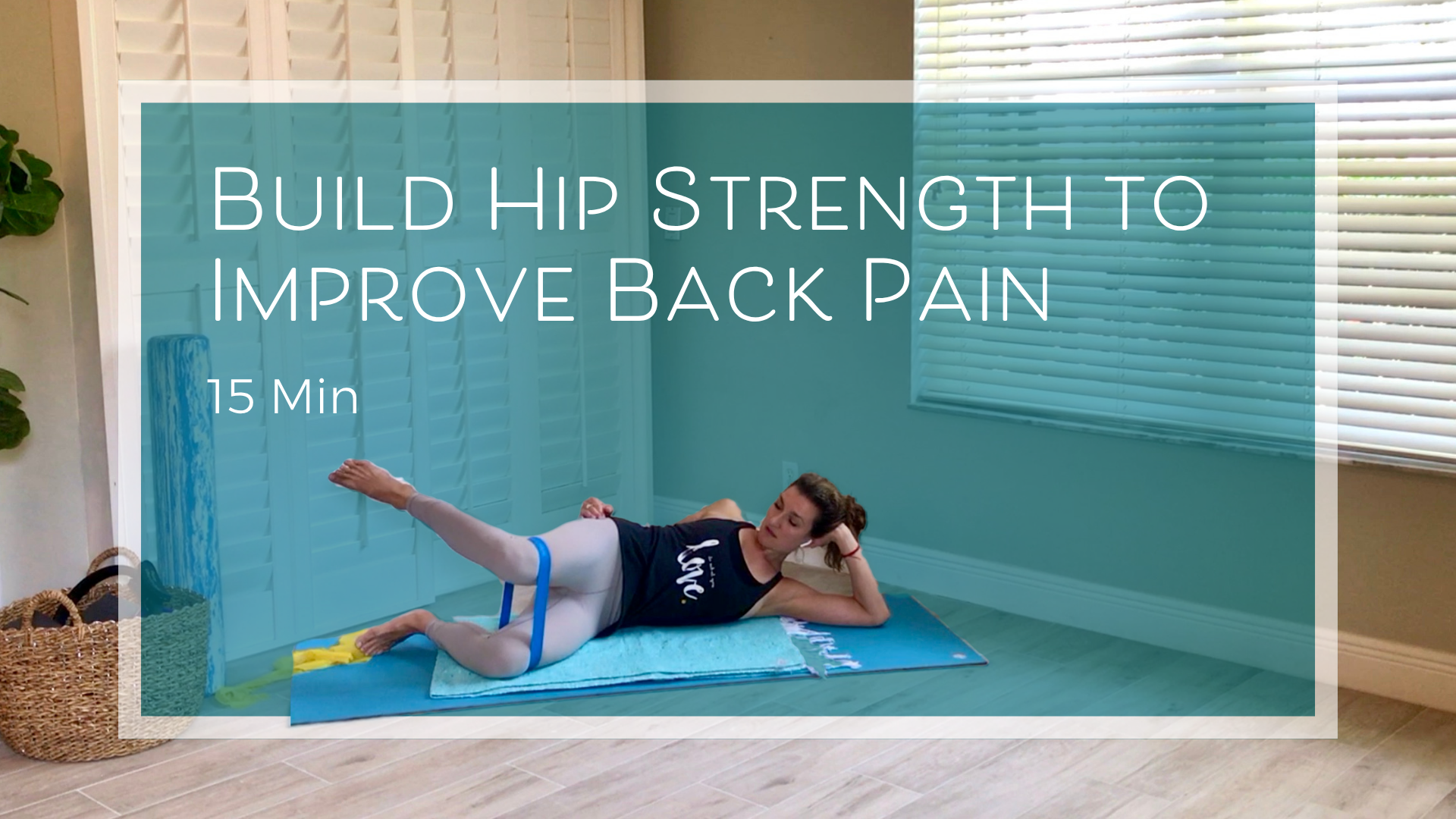
15-Minute Hip & Glute Strength Workout
These exercises look simple — you’ve probably done at least a couple of them before — which makes them a great way to practice the Pilates principles of concentration and control.
The Takeaway
The exercises matter, but Pilates emphasizes that HOW you do them is just as important —maybe even more so — than WHAT you’re doing. Concentration keeps you present and aware of what your body is doing, so that you can use control to intentionally make the most of each movement.
Practice that often enough in your workouts and that awareness will start following you outside the studio as well — into the way you walk, lift, reach and move throughout your day.