
If you’ve taken yoga or Pilates for a while, there’s a good chance you’ve likely heard something about your psoas.
Maybe you’ve been told it’s tight. That you need to stretch it. Or that it might be responsible for your back or hip pain.
But what is it — and why does it get so much attention?

What is the Psoas?
The psoas major (pronounced SO-as) is a deep muscle on either side of your spine. Each one attaches along the lower thoracic and lumbar spine, runs down and over the front of the pelvis and attaches near the top of the femur (your thigh bone) at the lesser trochanter (a bony knob that serves as an attachment point).
You may also hear the term iliopsoas. This refers to the psoas major working together with another muscle, the iliacus, which shares an attachment at the lesser trochanter with the psoas.
That location is part of what makes the psoas interesting. It creates a direct muscular connection between the lumbar spine and the upper leg, so it has a role in both moving the hip and helping stabilize the body while you move.
What does the psoas do?
One of the psoas’ best-known jobs is hip flexion — bringing your thigh up and toward your torso.
You use that action when you:
walk or run
climb stairs
lift a leg to put on your pants
bring your knee toward your chest
perform many Pilates and yoga exercises
But hip flexion isn’t its only job. Depending on your position, the psoas also contributes to stability of the lumbar spine and hip as the rest of your body moves.
The Psoas Doesn’t Work Alone
The psoas is an important muscle, but it’s worth nothing that it doesn’t work in isolation and it isn’t the cause of every tight hip or aching back.
It works closely with the iliacus to flex your hip, along with other muscles that move your leg. At the same time, your abdominal, back, pelvic and hip muscles work together to control your pelvis and spine.
What Does It Mean to Have a “Tight Psoas”?
If you’ve ever tried to stand up after a long flight or car ride and found it difficult to straighten up, you know the feeling often described as having a “tight psoas” or “tight hip flexors.”
But that feeling alone doesn’t tell you what’s causing the stiffness. The psoas may be involved, but so can other muscles, joints and tissues around the hip and low back.
Sometimes stretching will feel great. Other times, that “tight” feeling might actually be fatigue, weakness or muscles tensing to protect an area — so stretching alone may not bring much relief.
If the pain or stiffness is persistent or significant, it’s worth getting a medical or physical-therapy evaluation rather than assuming the psoas is the culprit.
LEARN MORE ABOUT THE PSOAS
Cleveland Clinic: Psoas Muscle — Anatomy & Function
Cleveland Clinic: Psoas Syndrome
Hospital for Special Surgery (HSS): Hip Flexor Stretching
Stretching Is Only Part of The Solution
Stretching may feel great for stiff, achy hips. But because the psoas helps both move and stabilize the hip and spine, stretching is only one part of keeping your hips and low back moving well.
A more complete approach may include:
movement and mobility
core strength and stability
hip and leg strength
changing positions regularly rather than spending hours in one position
hip-flexor stretching when appropriate
The goal isn’t simply to make the psoas “looser.” It’s to help the muscles around your hips, pelvis and spine work well together.
Put It Into Practice
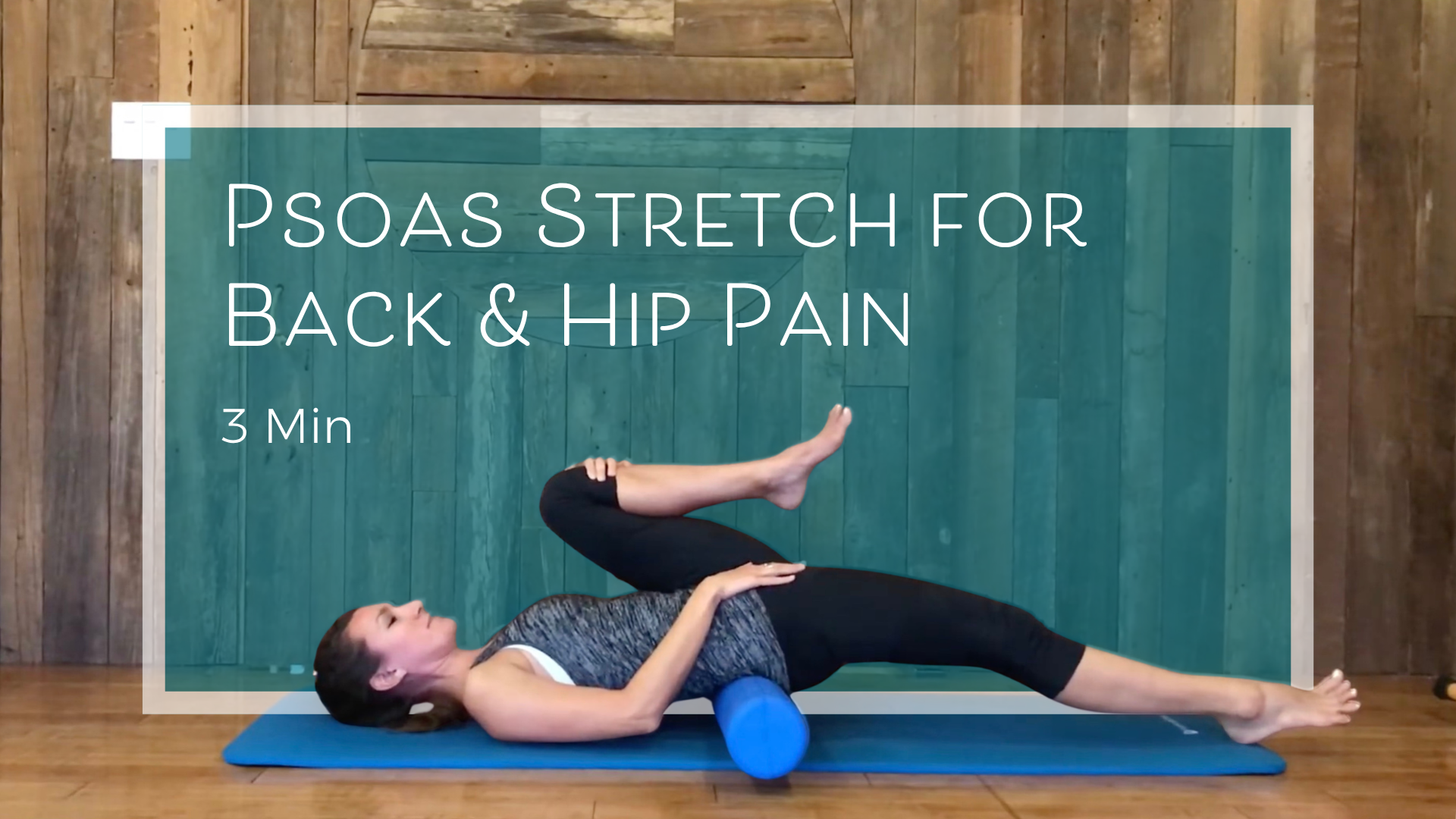
3-Minute Psoas Stretch With A Foam Roller
If your hips feel stiff after sitting or a long day, start here. This supported position gives the front of the hip time to relax without forcing a deep stretch.
Add Some Strength
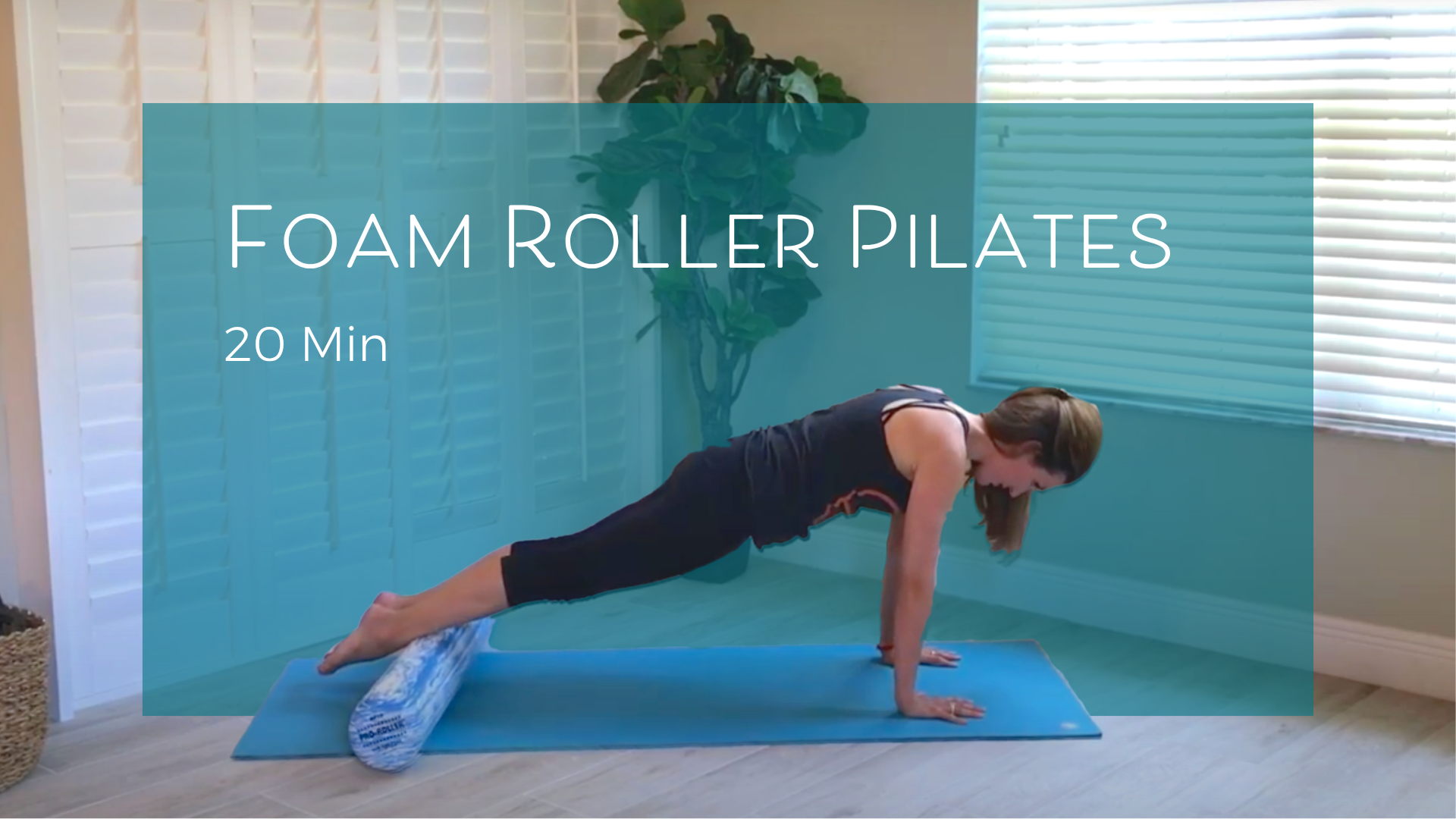
20-Minute Full-Body Pilates Workout for Back & Hip Stiffness
If you want to do more than stretch, this 20-minute full-body Pilates workout uses a foam roller to help relieve back and hip stiffness and improve mobility while building core strength and stability.
The Takeaway
The psoas is important, but it isn’t a mysterious muscle that needs to be constantly released or blamed when your hips and back feel tight. It’s simply one part of a larger system that helps stabilize and move your hips, pelvis and spine.
When you feel stiffness in the front of your hips, first try changing positions or getting up and moving around. Stretch if it feels good. But don’t forget about strength.